

DeeperThing.com is a participant in the Amazon Services LLC Associates Program, an affiliate advertising program designed to provide a means for sites to earn advertising fees by advertising and linking to Amazon.com. As an Amazon Associate, we earn from qualifying purchases.

Introduction: How Smart Home Technology Restores Independence
For millions of people living with disabilities, the home can present daily obstacles that most people never think about. Flipping a light switch, adjusting the thermostat, answering the door, or opening curtains are tasks that require physical mobility, fine motor control, or sensory awareness that not everyone has. Smart home technology has changed this equation dramatically. By replacing physical actions with voice commands, app controls, and automated routines, these devices give people with disabilities new levels of independence that were previously impossible without full-time assistance.
The importance of this technology cannot be overstated. According to the CDC, approximately 1 in 4 adults in the United States lives with some type of disability. That includes mobility limitations, hearing impairments, vision loss, cognitive differences, and other conditions that affect daily living. Traditional home infrastructure was designed for able-bodied individuals, and retrofitting a home for accessibility often involved expensive construction projects. Smart home devices offer a far more affordable and flexible alternative. A voice-controlled speaker costing under $50 can replace the need to physically reach a wall switch. A smart lock can eliminate the struggle of turning a deadbolt with limited hand dexterity. A video doorbell with visual alerts can notify a deaf homeowner that someone is at the door.
This guide covers every major category of smart home technology as it applies to accessibility. Whether you are setting up a system for yourself, a family member, or a care facility, you will find specific product recommendations, setup tips, and budget-conscious strategies throughout. If you are new to smart home technology generally, our smart home beginner setup guide provides foundational knowledge that pairs well with this accessibility-focused resource. For those interested in how these systems compare across platforms, our smart home ecosystem comparison breaks down Alexa, Google Home, and Apple HomeKit in detail.
Voice Control: The Foundation of Accessible Smart Homes
Voice control is the single most transformative technology for people with motor disabilities. The ability to speak a command and have a device respond eliminates the need to physically interact with switches, knobs, buttons, and remotes. For someone with limited hand mobility, quadriplegia, arthritis, or muscular dystrophy, voice control removes barriers that have existed for their entire lives.
Amazon Echo Devices for Accessibility
Amazon’s Echo line of smart speakers and displays represents the most widely adopted voice control platform in the United States. The Amazon Echo Dot (5th Generation) is the most affordable entry point at around $50. Despite its small size, it includes a built-in temperature sensor, improved audio quality over previous generations, and compatibility with thousands of smart home devices. For users who need visual feedback in addition to voice, the Amazon Echo Show 8 (3rd Generation) adds an 8-inch touchscreen display. This is particularly valuable for users who are deaf or hard of hearing, as they can see visual responses, video feeds from doorbell cameras, and on-screen controls.
The Echo Show line also supports video calling, which is critical for people with disabilities who may need to contact caregivers, family members, or emergency services. The screen displays large, touch-friendly buttons, and the device can be mounted at an accessible height for wheelchair users. Alexa routines allow users to chain multiple actions into a single voice command. For example, saying “Alexa, good morning” can turn on lights, adjust the thermostat, read the weather forecast, and start a coffee maker all at once. Our smart home voice assistant guide covers Alexa commands and routines in much greater detail.
Google Nest Devices for Accessibility
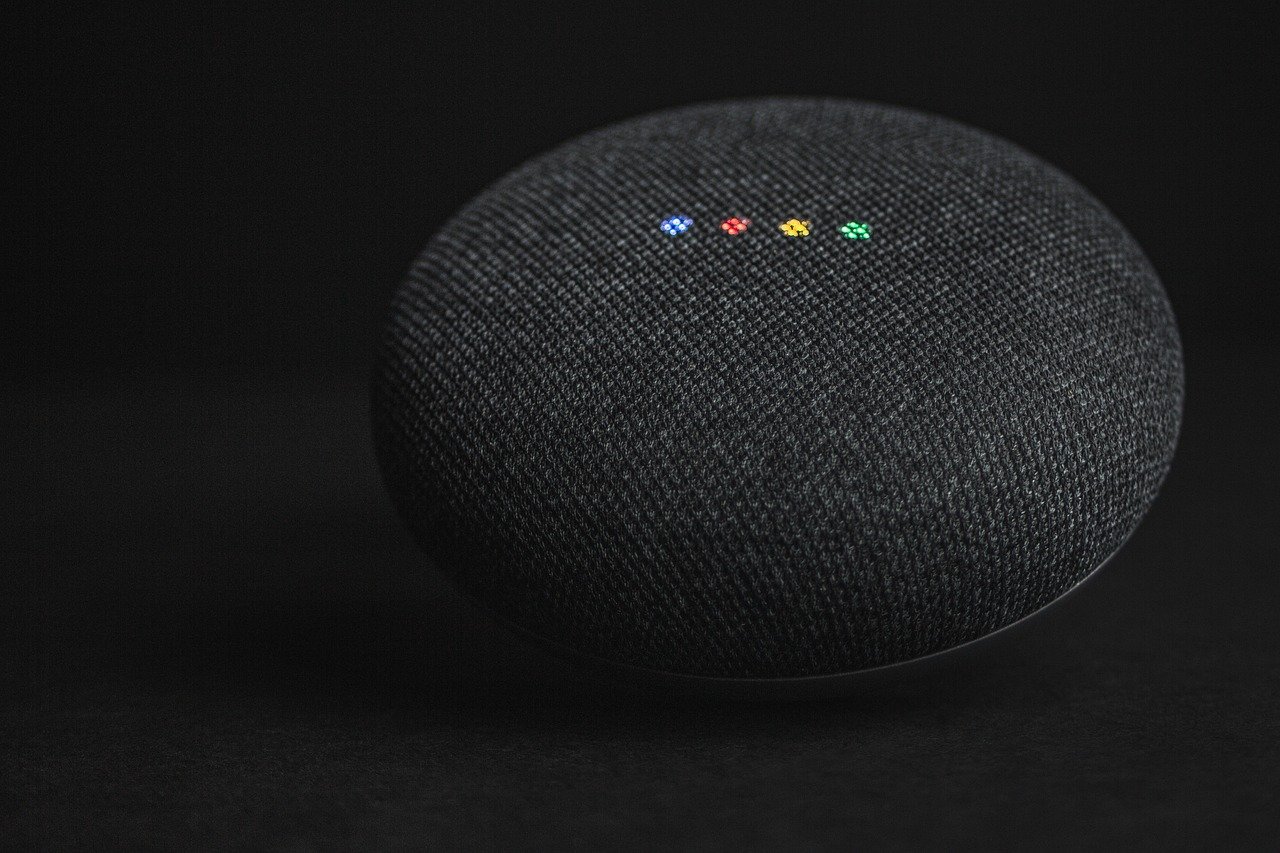
Google’s ecosystem offers similar capabilities through the Google Assistant platform. The Google Nest Hub (2nd Generation) provides a 7-inch touchscreen display with built-in Google Assistant. One unique feature of the Nest Hub is its Soli radar chip, which enables sleep tracking without requiring the user to wear any device. For people with disabilities who may have difficulty wearing wearables, this contactless monitoring is a significant advantage.
Google Assistant also excels at natural language understanding, which benefits users with speech impairments who may not be able to produce perfectly clear commands. The system is generally more forgiving of variations in pronunciation and sentence structure. Google’s ecosystem integrates well with Android phones, making it a strong choice for users who already rely on Android accessibility features like Voice Access and Switch Access.
Choosing Between Alexa and Google Assistant
Both platforms support a wide range of accessibility features, but there are important differences. Alexa has broader third-party device compatibility, meaning more smart home products will work with it out of the box. Google Assistant offers superior search capabilities and natural conversation flow. For users who rely heavily on visual displays, the Echo Show line has more size options (5, 8, 10, and 15 inches) while the Nest Hub comes in a single 7-inch size. Budget-conscious buyers should check our smart home budget guide under $100 for cost-effective options.
Smart Locks and Door Controls for Wheelchair Users
Traditional deadbolts require fine motor skills, grip strength, and the ability to reach the lock at a standard height. For wheelchair users, people with arthritis, or those with limited hand dexterity, operating a standard door lock can be a daily frustration. Smart locks eliminate the need for physical keys and can be controlled through voice commands, smartphone apps, or automated schedules.
August Wi-Fi Smart Lock
The August Wi-Fi Smart Lock (4th Generation) is one of the best options for accessibility. It installs directly onto the existing deadbolt on the inside of the door, meaning no exterior changes are needed. The lock can be operated through the August app, Alexa voice commands, Google Assistant, or Apple HomeKit. For wheelchair users, the ability to say “Alexa, lock the front door” from anywhere in the house is a meaningful improvement in independence.
August locks also feature auto-lock and automatic entry functionality. The automatic entry feature uses the smartphone’s location to detect when the user is approaching home and automatically disengages the deadbolt. This is particularly helpful for people who have difficulty manipulating keys while managing a wheelchair, cane, or walker. The lock also provides activity logs, so caregivers or family members can verify remotely that the door has been locked. For a broader comparison of available options, see our dedicated smart locks guide.
Smart Door Openers
Beyond locks, full smart door openers represent the next level of accessibility. Products like the SwitchBot Bot can mechanically press buttons and toggle switches, including some door handles. While not a replacement for a fully automated door system, these devices can make existing door hardware more accessible without expensive construction. They are especially useful for interior doors, cabinets, and appliances that have push-button mechanisms.
Smart Lighting for Visual and Motor Impairments
Lighting is one of the most fundamental aspects of a livable home, and smart lighting addresses accessibility needs from multiple angles. For people with motor disabilities, voice-controlled lighting eliminates the need to reach wall switches. For people with visual impairments, smart bulbs can be programmed to provide optimal brightness and color temperature. For people with cognitive disabilities, automated lighting schedules can establish predictable daily routines that reduce confusion and anxiety.
Bulbs and Starter Kits
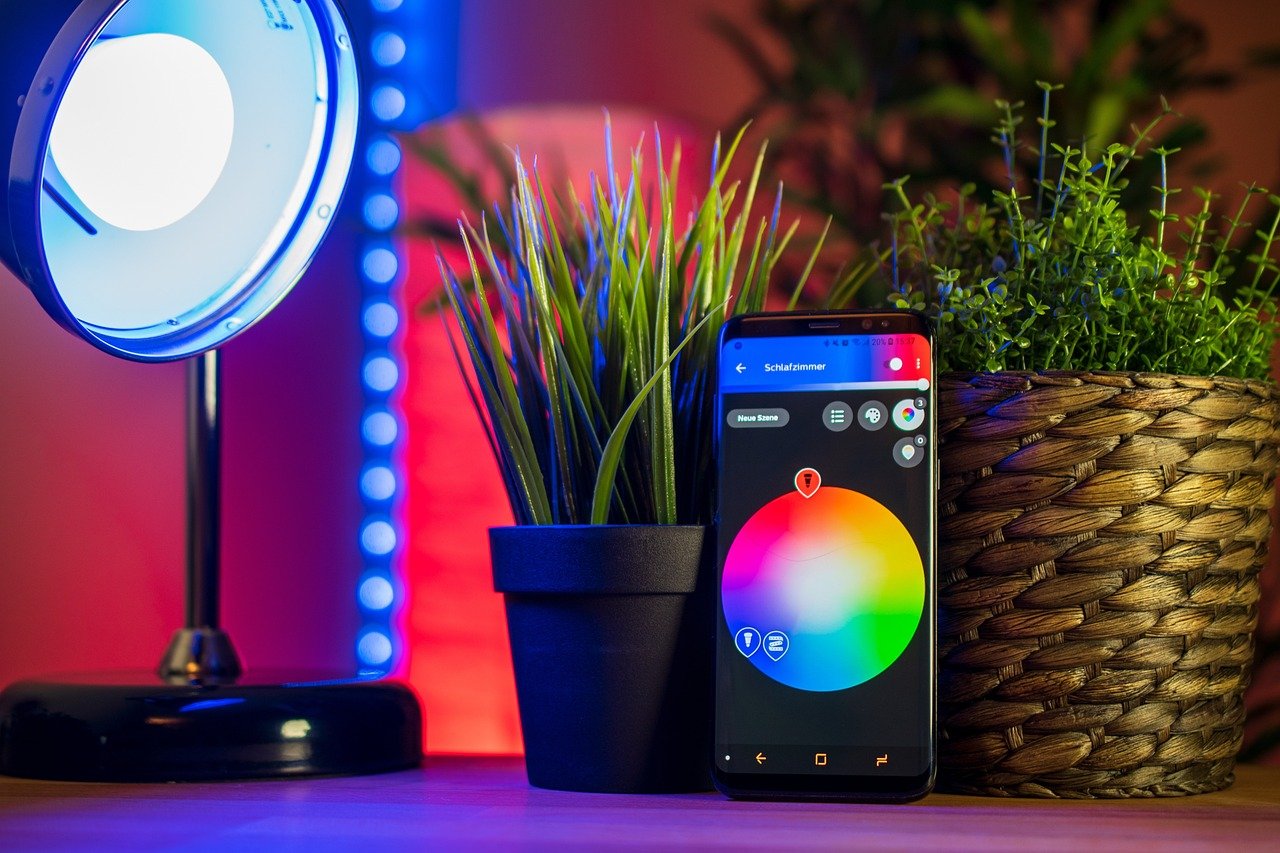
The Govee Smart Light Bulbs (4 Pack) offer an affordable entry point into color-changing smart lighting. These bulbs work with both Alexa and Google Assistant, allowing voice control of brightness, color, and on/off status. For users who need more advanced features like scheduled scenes and integration with other smart home devices, the Philips Hue ecosystem remains the premium standard. Philips Hue bulbs connect through a dedicated bridge, which provides more reliable performance and supports up to 50 bulbs on a single system.
For users with low vision, the ability to set bulbs to maximum brightness automatically during daytime hours and dim them in the evening can help regulate circadian rhythms. Color-tunable bulbs can also be used to create high-contrast lighting that improves visibility for specific tasks. People with photosensitive conditions, including certain types of epilepsy and migraine disorders, can benefit from bulbs that maintain consistent color temperature without flickering. Unlike traditional fluorescent lights, which can flicker at frequencies that trigger symptoms, quality LED smart bulbs provide steady illumination that can be adjusted to the exact brightness and warmth the user needs. Our smart light bulbs guide and smart home lighting guide provide detailed comparisons of available options.
Smart Switches for Whole-Home Control
Smart bulbs are convenient, but they require each lamp or fixture to have a compatible bulb installed. Smart switches offer a more comprehensive solution by replacing the wall switch itself, which means any light connected to that switch becomes smart. The Lutron Caseta Smart Lighting Dimmer Switch is the top choice for this approach. The Lutron system includes a smart hub that connects to Alexa, Google Assistant, and Apple HomeKit.
Lutron Caseta switches are particularly valuable for accessibility because they support the Lutron Pico remote control. These battery-free remotes can be mounted anywhere in the home at any height, giving wheelchair users a switch they can reach without modifying existing wiring. A Pico remote can be placed at wheelchair armrest height, on a bedside table, or even worn on a lanyard. This flexibility is difficult to achieve with traditional wired switches. For more automation ideas, see our 25 smart home automation ideas.
Smart Doorbells with Visual Alerts for Deaf and Hard of Hearing Users
For people who are deaf or hard of hearing, a traditional doorbell is useless. They cannot hear the chime, and they may not know someone is at the door until the visitor gives up and leaves. Smart video doorbells solve this problem by providing visual notifications through smartphones, smart displays, and connected lights. When someone presses the doorbell, the user receives a push notification on their phone, the Echo Show screen displays a live video feed, and smart lights can be programmed to flash.
Ring Video Doorbell Options
Ring offers several doorbell models that work well for accessibility. The Ring Video Doorbell (Wired) provides 1080p HD video, two-way talk, and motion detection at an affordable price. For users who cannot or prefer not to hardwire, the Ring Battery Doorbell offers the same core features with battery power. The newest Ring Wired Doorbell (2K, newest model) adds higher resolution video and enhanced zoom for better facial recognition.
Ring doorbells integrate directly with Alexa-enabled devices. When someone presses a Ring doorbell, an Echo Show can automatically display the live camera feed. This is invaluable for deaf users who can see who is at the door without needing to hear a chime. The Ring Chime is an indoor plugin device that extends the doorbell’s notification range. While the Chime produces sound, it also works with Ring’s quick-reply feature, allowing users to send a pre-set message to visitors without speaking.
Setting Up Visual Alert Routines
The real power of smart doorbells for deaf users comes from routines. An Alexa routine can be configured so that when the Ring doorbell is pressed, specific Philips Hue lights flash a different color, the Echo Show displays the camera feed, and the phone receives a notification. This multi-layered approach ensures the user is alerted regardless of where they are in the home. For comprehensive coverage of doorbell options, see our video doorbells guide.
Smart Sensors and Alerts for Cognitive and Developmental Disabilities
Smart sensors provide an extra layer of safety for people with cognitive disabilities, memory impairments, or developmental conditions. These small, unobtrusive devices monitor specific conditions and send alerts when something requires attention. For individuals who may forget to close a door, leave a stove on, or experience a water leak, sensors provide automatic monitoring that does not depend on human memory or attention.
Door and Window Sensors
The Aqara Door and Window Sensor (3 Pack) monitors whether doors and windows are open or closed. For individuals with dementia or autism who may wander, these sensors can trigger alerts if a door is opened unexpectedly. Caregivers can receive push notifications on their phones whenever a monitored door opens, providing peace of mind without restricting freedom of movement. The sensors work with Alexa, Apple HomeKit, and IFTTT, so alerts can be customized to the specific needs of each household.
Water Leak Sensors
The Aqara Water Leak Sensor (3 Pack) detects the presence of water and sends immediate alerts. For people with cognitive disabilities who may not notice a leak, or for anyone who wants to protect their home from water damage, these sensors can be placed under sinks, near water heaters, and in basements. When water is detected, the sensor triggers an alert through the connected app and can activate other smart home devices like smart plugs that shut off water valves or activate alarms.
Motion Sensors and Occupancy Detection
Motion sensors can be used to track daily activity patterns, detect falls, and monitor whether someone has moved within an expected timeframe. For caregivers of people with cognitive disabilities, motion sensors provide a non-intrusive way to confirm that a family member is up and moving in the morning, has entered the kitchen for meals, and has gone to bed at night. If no motion is detected during expected active hours, an alert can be sent to a caregiver’s phone. This type of monitoring preserves privacy while providing safety oversight. Our smart home security guide covers sensor placement strategies in detail.
Smart Thermostats with Remote Access for Limited Mobility
Adjusting a traditional thermostat requires reaching the device on the wall, which may be at an inaccessible height for wheelchair users, and manipulating small buttons or dials, which can be difficult for people with fine motor limitations. Smart thermostats allow temperature control from a smartphone app or through voice commands, eliminating both of these barriers.
Google Nest Learning Thermostat
The Google Nest Learning Thermostat (3rd Generation) is the premium option. It learns the user’s temperature preferences over time and automatically creates a schedule. For people with cognitive disabilities who may forget to adjust the thermostat, this automatic learning removes that responsibility. The Nest can be controlled through the Google Home app, Google Assistant voice commands, or Alexa. It also features a large, bright display that is easier to read for people with low vision compared to traditional thermostat displays.
Ecobee Smart Thermostat Enhanced
The Ecobee Smart Thermostat Enhanced is another excellent option. It includes a built-in air quality monitor and supports remote sensors that can be placed in different rooms. For people with disabilities who spend most of their time in one room, the remote sensor ensures the thermostat adjusts based on the temperature where they actually are, not just in the hallway where the thermostat is mounted. This is particularly valuable for wheelchair users who may be seated at a lower height where air temperature can differ from standing height.
Budget Thermostat Options
For those on a tighter budget, the Amazon Smart Thermostat offers app and voice control at a much lower price point. While it lacks the learning capabilities of the Nest and the remote sensors of the Ecobee, it provides the essential accessibility feature of remote temperature control. The Google Nest Thermostat (the non-learning model) is another mid-range option that balances features and cost. Our smart thermostats guide compares all available models in detail.
Automated Blinds and Curtains for Motor Disabilities
Opening and closing window blinds requires reaching cords or wands, which can be impossible for wheelchair users or people with limited arm mobility. Automated blind and curtain systems allow these window coverings to be controlled through apps, voice commands, or automated schedules.
SwitchBot Curtain 3
The SwitchBot Curtain 3 is one of the most accessible automated curtain solutions. It attaches directly to the existing curtain rod without requiring any tools or modifications to the home. The device moves the curtain along the rod using a motorized mechanism. It can be controlled through the SwitchBot app, Alexa, Google Assistant, or Apple HomeKit (with the SwitchBot Hub). A solar panel accessory is available, which eliminates the need to manually recharge the battery, an important consideration for users with limited mobility.
SwitchBot also offers the SwitchBot Bot, a small robotic finger that can physically press buttons on existing appliances. This can be used to automate non-smart devices like coffee makers, fans, or older TV remotes. Combined with the Curtain 3, SwitchBot products provide a modular approach to home automation that can grow over time as needs change.
Scheduling and Automation
Automated curtains are particularly valuable when combined with scheduling. Curtains can be programmed to open at sunrise, providing natural light that helps regulate circadian rhythms. For people with seasonal affective disorder or sleep disorders related to their disability, this automatic exposure to morning light can have meaningful health benefits. Curtains can also be linked to temperature sensors, closing automatically during the hottest part of the day to reduce cooling costs. For more automation ideas, our 25 automation ideas guide is a valuable resource.
Smart Plugs and Switches for Accessible Power Management
Smart plugs are among the simplest and most cost-effective accessibility tools available. They plug into existing outlets and allow any connected device to be controlled through an app or voice command. For people with mobility limitations, smart plugs eliminate the need to physically reach outlets that may be behind furniture, under desks, or in awkward locations.
Amazon Smart Plug
The Amazon Smart Plug is the simplest option for Alexa users. It requires no hub and connects directly to Wi-Fi. Setup takes less than a minute through the Alexa app. Once configured, any device plugged into the smart plug can be turned on or off with a voice command. This is ideal for lamps, fans, space heaters, and other appliances that do not have built-in smart features.
TP-Link Kasa Smart Plug Mini
The TP-Link Kasa Smart Plug Mini (HS103) is a popular alternative that works with both Alexa and Google Assistant. Its compact design means it does not block adjacent outlets, which is important in homes where accessible outlet placement is already limited. The Kasa app provides scheduling and energy monitoring features, allowing users to track power consumption and set automatic on/off times. For more smart plug recommendations, see our best smart plugs guide.
Practical Applications for Accessibility
Smart plugs can make a surprising difference in daily life for people with disabilities. A coffee maker plugged into a smart plug can be turned on from bed with a voice command. A curling iron or clothing iron can be set to automatically turn off after 30 minutes, providing safety for users with memory impairments. A space heater can be controlled without getting up, which is valuable for people with limited mobility during cold weather. By combining multiple smart plugs with voice routines, an entire room’s worth of appliances can be controlled with a single command. Check our budget smart home guide for affordable combinations.
Emergency Response and Fall Detection Integration
For people with disabilities, the ability to call for help quickly can be life-saving. Traditional medical alert systems require wearing a pendant or bracelet and pressing a button. Smart home technology can provide additional layers of emergency response that are always active without requiring the user to wear or remember anything.
Smart Speaker Emergency Calls
Both Alexa and Google Assistant support calling features that can be used in emergencies. Alexa devices can make calls to any phone number in the US, Canada, and Mexico using Alexa Communication. Google Nest devices can make Google Duo calls. For someone who has fallen and cannot reach a phone, the ability to say “Alexa, call my daughter” or “Alexa, call 911” (with Alexa Connect) can be critical. It is important to set up emergency contacts in advance and test the calling feature regularly.
Motion-Based Fall Detection
Smart home motion sensors can be configured to detect unusual activity patterns that may indicate a fall. If motion sensors in the bathroom or bedroom detect no movement for an extended period during hours when the person is typically active, an alert can be sent to a caregiver. Some systems can also use smart watch data to detect falls directly. While this is not a replacement for dedicated medical alert systems, it adds an additional safety layer. Our emergency preparedness guide covers these integrations in detail.
Smart Smoke and CO Detectors
For people with hearing impairments, traditional smoke alarms with audible alerts may not be sufficient. Smart smoke detectors like the Nest Protect can send push notifications to phones and trigger visual alerts on smart displays and lights. When integrated with Alexa or Google Home routines, a smoke alarm event can cause all smart lights in the house to flash red, providing a visual warning that is impossible to miss. For more on home safety, see our complete security guide.
Smart Home Hubs and Automation for Simplified Control
As the number of smart devices in a home grows, managing them individually becomes complex. Smart home hubs centralize control and enable automation routines that reduce the cognitive load of operating multiple devices. For people with cognitive disabilities, this simplification is essential. A well-designed hub and automation system can reduce dozens of daily interactions to a handful of simple commands.
Hub Options
The Lutron Caseta Smart Hub is specifically for lighting control but is one of the most reliable hubs available. For broader device support, Alexa-enabled devices like the Echo Show function as hubs for many Zigbee and Matter devices. Google Nest devices serve a similar role in the Google ecosystem. For users who want a dedicated hub, Samsung SmartThings and the Aqara Hub are popular options that support multiple protocols. Our smart home hub guide compares all major options.
Building Accessible Routines
The key to an accessible smart home is thoughtful routine design. Rather than expecting the user to remember individual commands for each device, routines consolidate multiple actions. A morning routine might include turning on bedroom and bathroom lights, adjusting the thermostat to a comfortable temperature, opening the curtains, and reading the day’s weather forecast. A bedtime routine might lock all doors, turn off all lights except a nightlight, close the curtains, and set the thermostat to sleeping temperature. These routines can be triggered by voice, by time of day, or by location.
For users with cognitive disabilities, routines can be designed to match their daily schedule and provide structure. Lights can turn on at specific times to signal meal times, medication reminders, or activity transitions. For users with autism, predictable lighting and environmental routines can reduce anxiety and sensory overload. See our smart home for seniors guide for routine ideas that also apply to disability accessibility.
Budget Accessibility Setup and Product Comparison
Building an accessible smart home does not have to be expensive. A basic setup that addresses the most common accessibility needs can be assembled for under $250. The key is to prioritize the devices that address the most frequent daily challenges first, then expand as budget allows.
Entry-Level Accessibility Kit (Under $250)
For a basic accessible setup, start with an Echo Dot (5th Gen) for voice control, two Amazon Smart Plugs for lamp and appliance control, a Govee Smart Light Bulbs 4-pack for lighting control, and a Amazon Smart Thermostat for temperature control. This combination provides voice-controlled lighting, appliance power management, and climate control for approximately $200 to $250.
Product Comparison Table
| Product | Category | Price Range | Works With | Key Accessibility Feature |
|---|---|---|---|---|
| Echo Dot 5th Gen | Voice Assistant | $50 | Alexa | Hands-free voice control for all devices |
| Echo Show 8 (3rd Gen) | Smart Display | $130 | Alexa | Visual alerts, video calling, camera feeds |
| Google Nest Hub 2nd Gen | Smart Display | $100 | Google Assistant | Touchscreen control, contactless sleep tracking |
| August Wi-Fi Smart Lock | Smart Lock | $200 | Alexa, Google, HomeKit | Keyless entry, automatic entry, voice locking |
| Ring Video Doorbell (Wired) | Video Doorbell | $50 | Alexa | Visual doorbell alerts, remote door answering |
| Nest Learning Thermostat | Smart Thermostat | $200 | Google Assistant, Alexa | Learning schedule, voice temperature control |
| SwitchBot Curtain 3 | Automated Curtains | $130 | Alexa, Google, HomeKit | Voice-controlled curtain operation |
| Aqara Water Leak Sensor | Sensor | $40 | Alexa, HomeKit, IFTTT | Automatic leak detection with alerts |
| Amazon Smart Plug | Smart Plug | $25 | Alexa | Voice-controlled power for any device |
Advanced Accessibility Kit (Under $1,000)
For a more comprehensive setup, add the August Wi-Fi Smart Lock for keyless entry, the Ring Battery Doorbell for visual doorbell alerts, the Echo Show 8 for visual display, the Lutron Caseta Smart Hub and Dimmer for whole-home lighting control, the SwitchBot Curtain 3 for automated curtains, and the Ecobee Smart Thermostat Enhanced with remote sensors. This setup covers voice control, security, lighting, climate, and window coverings for approximately $800 to $1,000. For budget-conscious tips, our budget guide and energy saving guide offer additional cost-saving strategies.
ADA Compliance and Smart Home Integration
The Americans with Disabilities Act (ADA) establishes accessibility standards for public spaces, and many of its principles apply to residential smart home design. While private residences are not legally required to meet ADA standards, following ADA guidelines ensures that smart home setups are genuinely accessible to users with a wide range of disabilities.
Physical Placement and Reach
ADA guidelines specify that controls and operating mechanisms should be placed at heights between 15 inches and 48 inches from the floor, making them reachable from a seated position. When installing smart home devices like Echo Shows, Nest Hubs, or smart thermostats, mounting them within this range ensures wheelchair users can interact with them. Smart switches and Pico remotes should also be placed at accessible heights. The beauty of smart home technology is that it reduces dependence on physical controls, but when physical interaction is needed, proper placement matters.
Multiple Input Methods
ADA principles emphasize providing multiple ways to access the same function. In a smart home, this means that lights should be controllable by voice, app, and physical switch. Doors should be openable by app, voice, and physical key (as a backup). This redundancy ensures that if one input method fails (such as a Wi-Fi outage affecting voice control), the user is not left without options. For more on designing a comprehensive system, see our troubleshooting guide.
Compatibility with Assistive Technology
Smart home systems should be evaluated for compatibility with existing assistive technologies. Screen readers, switch controls, eye-tracking devices, and other accessibility tools should work alongside smart home apps and interfaces. Apple HomeKit has particularly strong support for iOS accessibility features, making it a good choice for users who already rely on VoiceOver or Switch Control on their iPhones. Google Assistant integrates with Android accessibility services, and Alexa supports a range of accessibility features including captioning and adaptive listening modes. For privacy considerations when setting up these systems, see our smart home privacy guide.
Frequently Asked Questions
1. Can smart home devices completely replace a personal care assistant?
No, smart home devices cannot completely replace human assistance for most people with disabilities. They can, however, reduce the number of tasks that require human help, giving individuals more independence and reducing the burden on caregivers. Tasks like controlling lights, adjusting temperature, locking doors, and answering the doorbell can be handled by smart home technology, while personal care tasks still require human assistance.
2. Which voice assistant is best for people with speech impairments?
Google Assistant generally handles variations in speech patterns better than Alexa, making it a good choice for users with speech impairments. However, both platforms have improved their natural language processing significantly. Amazon Alexa offers a feature called “Adaptive Listening” that gives users more time to speak before the device stops listening, which helps people who speak slowly or with pauses.
3. Are smart home devices safe to use during a power outage?
Most smart home devices require electricity and Wi-Fi to function. During a power outage, smart plugs, lights, thermostats, and voice assistants will not work. Battery-powered devices like the Ring Battery Doorbell and SwitchBot Curtain will continue to function for a limited time. It is important to maintain non-smart backups for critical functions, such as physical keys for doors and manual overrides for garage doors.
4. How much does it cost to set up a smart home for accessibility?
A basic accessible smart home setup can cost between $200 and $500, depending on the number of rooms and devices needed. A comprehensive setup covering lighting, climate, security, and door control typically costs between $800 and $2,000. The modular nature of smart home technology means you can start with a few essential devices and expand over time as budget allows.
5. Can smart home devices help prevent wandering in people with dementia?
Yes, door and window sensors can alert caregivers when a door is opened, allowing them to respond quickly. Smart locks can be configured to require a code or app authorization to open from the inside. Motion sensors can detect nighttime movement and trigger gentle lighting or alerts. However, these systems should complement, not replace, direct supervision for individuals at risk of wandering.
6. Do smart home devices work with hearing aids?
Many modern hearing aids support Bluetooth connectivity, allowing them to stream audio from smartphones and, by extension, smart home notifications. Some hearing aids can connect directly to Apple devices through Made for iPhone technology. Alexa devices can also be paired with compatible hearing aids through Bluetooth, allowing doorbell alerts, notifications, and music to stream directly to the hearing aid.
7. What happens if the internet goes down?
When internet service is interrupted, cloud-dependent features like remote access and some voice commands will stop working. However, devices that use local processing or hub-based protocols like Zigbee and Z-Wave may continue to function. The Lutron Caseta system, for example, maintains local control even without internet. Physical switches and manual overrides should always be available as backups.
8. Are there smart home devices specifically designed for blind users?
Yes, several devices are particularly useful for blind users. Voice assistants provide audio feedback for all interactions. Smart displays with screen reader capabilities can announce on-screen content. Smart thermostats with audio feedback, like the Nest Learning Thermostat, announce temperature changes when adjusted. Doorbell cameras with two-way audio allow blind users to identify visitors by voice rather than visually.
9. Can I control smart home devices if I cannot speak?
Yes, all major smart home platforms offer app-based control that does not require voice. Amazon Alexa app, Google Home app, and Apple Home app all provide full device control through touch interfaces. For users who cannot use touch screens, Apple’s Switch Control and Android’s Switch Access allow device control using adaptive switches. Eye-tracking devices can also be used to control smart home apps on compatible tablets and computers.
10. How do I choose the right smart home ecosystem for my specific disability?
The best ecosystem depends on your specific needs. For motor disabilities, Alexa has the broadest device compatibility and voice command range. For visual impairments, Apple HomeKit offers the best screen reader integration. For hearing impairments, any ecosystem works well when paired with smart displays that provide visual feedback. For cognitive disabilities, Google Assistant’s natural conversation style may be easier to use. Start with our ecosystem comparison guide to evaluate which platform best matches your requirements.