

Affiliate Disclosure: As an Amazon Associate, deeperthing.com earns from qualifying purchases. We may receive a commission when you buy products through links on this page, at no extra cost to you. This helps us keep producing free, in-depth smart home guides. We only recommend products we believe provide genuine value.
Introduction to Smart Home Health Monitoring in 2026
Home health monitoring has changed dramatically. What once required frequent doctor visits can now happen in your living room, bedroom, or bathroom with devices that connect to your phone and smart home system. In 2026, the range of health tracking devices available for home use is wider and more affordable than ever before, giving families the ability to track vital signs, sleep quality, medication adherence, and even detect emergencies automatically.
Smart home health monitoring covers a broad spectrum of devices. Smart scales measure body composition, blood pressure monitors track cardiovascular health, sleep tracking devices analyze rest quality, medication dispensers ensure proper dosing, fall detection systems protect elderly family members, air quality monitors track environmental health factors, smart thermometers log fever progression, and heart rate monitors provide continuous cardiac surveillance. Each of these categories has matured significantly, with clinically validated options available at consumer price points. The integration of these devices with smartphone apps, cloud storage, and smart home platforms means that your health data is always available, always current, and always shareable with your healthcare team.
For a detailed comparison of the best smart air purifiers available in 2026, including total cost of ownership analysis and CADR ratings, check out our best smart air purifiers guide.
The benefits of home health monitoring extend beyond convenience. Regular tracking creates a baseline of your normal readings, making it easier to detect when something is off. For chronic conditions like hypertension, diabetes, or sleep apnea, consistent monitoring provides your doctor with far more data than occasional office visits ever could. For caregivers managing the health of elderly parents or family members with chronic illnesses, remote monitoring reduces anxiety and enables proactive intervention before small problems become emergencies. The investment in smart health devices often pays for itself through fewer unnecessary doctor visits, earlier detection of health issues, and better management of existing conditions.
This guide covers every major category of smart home health monitoring, reviews specific products with real Amazon availability, explains how to integrate them with popular smart home platforms, and addresses the privacy concerns that come with collecting sensitive health data in your home. Whether you are setting up a health monitoring system for yourself, an aging parent, or your entire family, this guide will help you make informed decisions. If you are also interested in broader smart home setups for elderly family members, check out our smart home guide for seniors and our comprehensive aging in place guide.
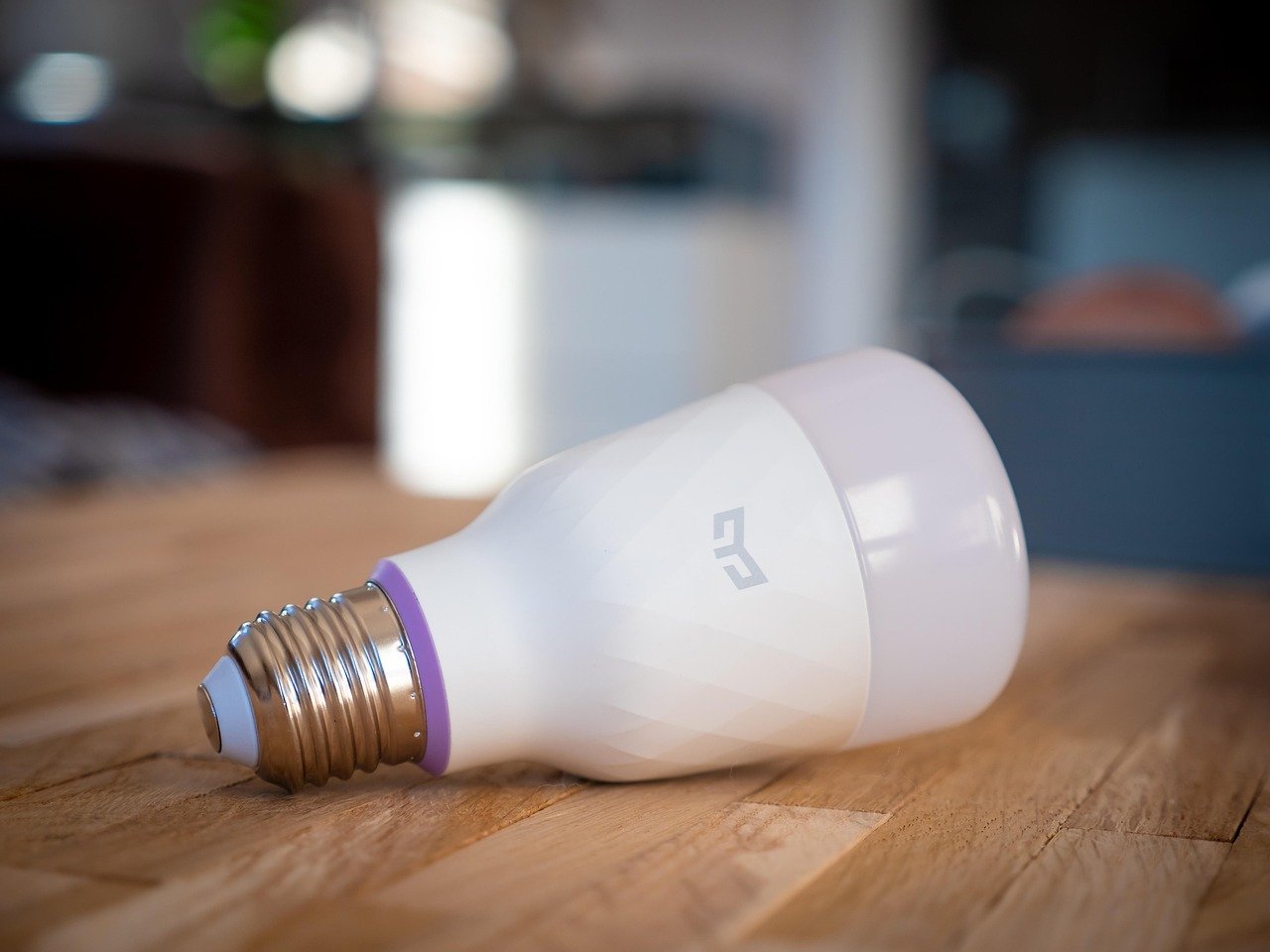
A modern smart home can track dozens of health metrics automatically, from weight and blood pressure to sleep quality and air safety.
Smart Scales: Body Composition and Weight Tracking
Smart scales have moved far beyond simple weight measurement. Today’s models measure body fat percentage, muscle mass, bone density, water percentage, and even visceral fat. They sync data automatically to smartphone apps, creating long-term trend charts that reveal patterns invisible to anyone stepping on a traditional bathroom scale. For anyone managing weight, tracking fitness progress, or monitoring health conditions that affect body composition, a smart scale is often the first health device people add to their homes.
Withings Body+ (WBS05)
The Withings Body+ is a Wi-Fi and Bluetooth connected scale that measures weight, BMI, body fat, muscle mass, water percentage, and bone mass. It features a large backlit display that shows weight and weather information, and it syncs automatically to the Withings Health Mate app. The scale supports up to 8 users with automatic recognition, making it ideal for families. Withings has a strong reputation for accuracy and app quality, and the Body+ integrates with Apple Health, Google Fit, and over 100 other health apps. The scale runs on 4 AAA batteries that last up to 18 months. For a deeper comparison of smart scale options, see our dedicated best smart scales guide.
Eufy Smart Scale P2 Pro
The Eufy Smart Scale P2 Pro by Anker offers an impressive 16 body composition metrics, including body fat, muscle mass, bone mass, water percentage, visceral fat, basal metabolic rate, and even a 3D body model. It connects via Bluetooth to the EufyLife app and supports Apple Health and Google Fit. The scale supports unlimited users, making it suitable for large households. At a lower price point than the Withings Body+, the Eufy P2 Pro provides excellent value with a tempered glass surface and LED display. It requires 3 AAA batteries (included).
Renpho Bluetooth Body Fat Scale
The Renpho Bluetooth Body Fat Scale is one of the most popular budget smart scales on Amazon. It measures 13 body composition metrics, including body fat percentage, water percentage, muscle mass, bone mass, and metabolic age. The Renpho app syncs with Apple Health, Google Fit, and the Samsung Health app. The scale supports unlimited users and has a baby weighing mode. With over 100,000 reviews on Amazon, the Renpho scale has proven to be a reliable, affordable entry point into body composition tracking. It runs on 3 AAA batteries.
How to Choose a Smart Scale
When selecting a smart scale, consider connectivity options. Wi-Fi enabled scales like the Withings Body+ sync automatically whenever you step on them, while Bluetooth-only models require your phone to be nearby during weighing. Multi-user support matters for families. App quality varies significantly between brands, with Withings and Eufy offering the most polished experiences. Body composition measurements use bioelectrical impedance, which sends a small, safe electrical signal through your body. While not as accurate as clinical DEXA scans, these measurements are consistent enough to track trends over time. If you are building a health-focused smart home on a budget, our smart home under $100 guide includes several affordable health monitoring options.
Blood Pressure Monitors: Smart BP Cuffs
High blood pressure affects nearly half of American adults, yet many do not know they have it. Smart blood pressure monitors make it easy to take regular readings at home, track trends over time, and share data with your doctor. These devices connect to smartphone apps via Bluetooth or Wi-Fi, automatically logging each reading and often providing color-coded feedback based on American Heart Association guidelines. For anyone with hypertension, heart disease risk factors, or a family history of cardiovascular issues, a smart BP monitor is an essential home health device.
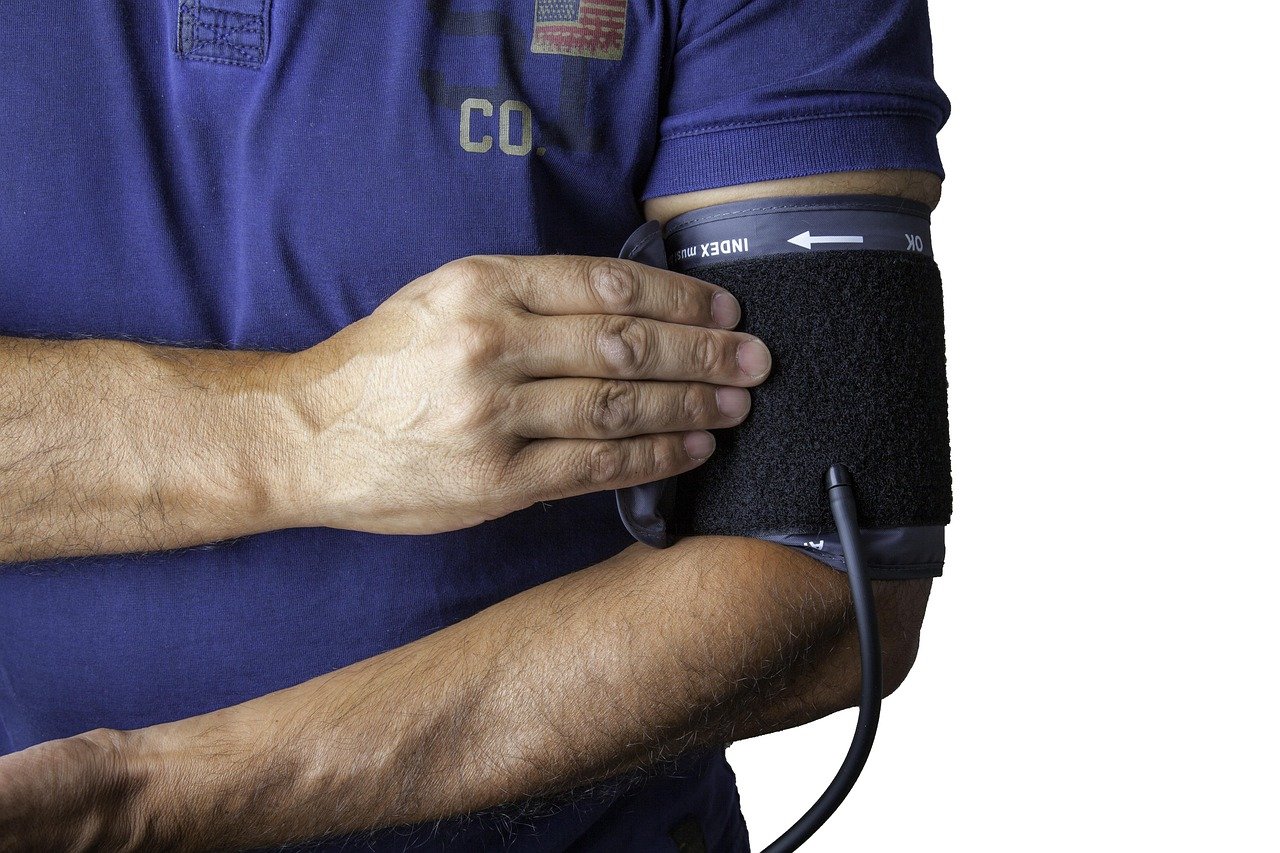
Smart blood pressure monitors like the Omron Platinum sync readings to your phone and can detect irregular heartbeats.
Omron Platinum Blood Pressure Monitor
The Omron Platinum Blood Pressure Monitor is a top-rated upper arm monitor with advanced accuracy technology. It stores up to 200 readings for two users (100 each) and features TruRead technology that takes three consecutive readings and displays the average. The Omron Connect app syncs via Bluetooth, allowing you to view trends, share reports with your doctor, and receive insights. The Platinum model also includes AFib detection, alerting you to possible atrial fibrillation during measurements. It comes with a wide-range D-ring cuff fitting arms from 9 to 17 inches, plus an AC adapter and storage case.
Omron Evolv Wireless Blood Pressure Monitor
The Omron Evolv Wireless is a compact, tubeless upper arm monitor designed for portability. The entire device fits in one hand, with the cuff and monitor integrated into a single unit. It connects via Bluetooth to the Omron Connect app and offers the same clinically validated accuracy as larger Omron models. The Evolv is ideal for travel or for users who find traditional tube-based monitors cumbersome. It supports unlimited storage in the app and works with both iOS and Android devices.
Withings BPM Connect
The Withings BPM Connect is a Wi-Fi and Bluetooth enabled blood pressure monitor with a sleek, integrated cuff design. It provides color-coded results immediately on its LED display, and syncs automatically to the Withings app via Wi-Fi. The BPM Connect is clinically validated and measures both blood pressure and heart rate. It supports up to 8 users and offers a rechargeable battery lasting up to 6 months per charge. The device can generate shareable PDF reports for your healthcare provider, making it an excellent choice for ongoing hypertension management. For families concerned about emergency preparedness, our smart home emergency preparedness guide covers how health monitoring fits into broader home safety planning.
iHealth Track Smart Blood Pressure Monitor
The iHealth Track Smart Upper Arm Blood Pressure Monitor is an affordable option with Bluetooth connectivity. It features a wide-range cuff fitting arms from 8.7 to 16.5 inches, stores up to 99 readings per user for two users, and syncs with the iHealth app. The iHealth Track displays results on a backlit LCD screen with color-coded WHO (World Health Organization) classification indicators. At under $40, it is one of the most affordable clinically validated smart BP monitors available.
Sleep Tracking Devices: Smart Mattresses, Pads, and Wearables
Sleep quality affects every aspect of health, from immune function and cognitive performance to cardiovascular health and emotional regulation. Smart sleep tracking devices monitor sleep stages (deep, light, REM), heart rate during sleep, breathing patterns, snoring, and movement throughout the night. Unlike phone-based sleep apps that rely on movement detection, dedicated sleep tracking devices provide much more accurate and comprehensive data. There are two main approaches: under-mattress pads that require no wearable device, and smart watches or fitness trackers worn during sleep.

Under-mattress sleep sensors like the Withings Sleep track heart rate, breathing, and sleep stages without anything to wear.
Withings Sleep Analyzer
The Withings Sleep Analyzer is a clinically validated sleep tracking mat that slides under your mattress. It requires nothing to wear and provides detailed sleep analysis including sleep stages, heart rate tracking, snoring detection, and breathing disturbance monitoring. The Sleep Analyzer can detect signs of sleep apnea, a serious condition that affects millions of people undiagnosed. It syncs via Wi-Fi to the Withings app automatically, and can trigger smart home automations (like adjusting lights or thermostat) when you get in or out of bed. The device supports one user and plugs into a wall outlet, so no battery charging is needed.
Understanding Sleep Data
Modern sleep trackers provide a wealth of data, but understanding what it means is key to improving your rest. Sleep stages (deep, light, and REM) cycle throughout the night in approximately 90-minute intervals. Deep sleep is when your body repairs tissues and strengthens the immune system. REM sleep is associated with memory consolidation and dreaming. Light sleep serves as a transition between stages. A healthy adult should get 7 to 9 hours of sleep per night, with roughly 20 to 25 percent in REM and 13 to 23 percent in deep sleep.
Heart rate during sleep is another important metric. Your resting heart rate typically drops to its lowest point during deep sleep. Elevated nighttime heart rate can indicate stress, illness, caffeine consumption, or poor sleep quality. Breathing disturbances, including snoring and sleep apnea episodes, fragment sleep and reduce its restorative quality. If your sleep tracker consistently flags breathing disturbances, consult a doctor about possible sleep apnea, which affects an estimated 22 million Americans and is associated with increased risk of heart disease, stroke, and diabetes.
Wearable Sleep Trackers
For those who prefer wearable tracking, devices like the Fitbit Charge 6 and Withings ScanWatch provide detailed sleep analysis alongside heart rate tracking, SpO2 monitoring, and activity tracking. Wearables have the advantage of tracking sleep consistently whether you are at home or traveling. The Fitbit Charge 6 includes a sleep score, sleep stages, and estimated oxygen variation. The Withings ScanWatch offers sleep tracking with breathing disturbance detection and can alert you to potential sleep apnea. Both devices sync to their respective apps and integrate with Apple Health or Google Fit. For families looking to monitor children’s sleep and safety, our smart home kids and family safety guide covers additional considerations.
Medication Reminders and Dispensers
Medication non-adherence is a serious health problem. Studies show that approximately 50% of people do not take their medications as prescribed, leading to worsened health outcomes, preventable hospitalizations, and billions in avoidable healthcare costs. Smart medication dispensers address this problem by organizing pills, providing timed reminders, dispensing the correct dose at the right time, and alerting caregivers when doses are missed. For elderly family members managing multiple prescriptions, these devices can be life-changing.
LiveFine Automatic Pill Dispenser
The LiveFine Automatic Pill Dispenser is a 28-day electronic pill organizer with audible and visual alarms. It features 28 compartments, each holding multiple pills, and can be programmed for up to 6 alarms per day. The device includes a locking cover to prevent double-dosing and an LCD display showing the current time and next dose time. The newer WiFi-enabled version connects to a smartphone app for remote monitoring. At around $100, the LiveFine is a practical solution for individuals managing complex medication schedules. For a broader look at smart home solutions for aging family members, our aging in place guide covers medication management alongside other safety features.
Hero Smart Medication Dispenser
Hero is a subscription-based smart medication management system that includes a countertop dispenser, mobile app, and 24/7 support. The Hero dispenser holds up to 10 different medications with a 90-day supply, automatically sorting and dispensing the correct pills at the scheduled time. The app sends alerts when doses are taken or missed, allows remote caregiver monitoring, and handles refill reminders. Hero is HIPAA compliant and FDA registered. Unlike the LiveFine, Hero supports any pill size or shape and includes human support for setup and troubleshooting. The subscription model (starting at $39.99/month with prepaid plans) makes it more expensive than one-time-purchase dispensers, but the comprehensive service may be worth it for families managing complex medication regimens.
Fall Detection Devices for Seniors and Elderly Care
Falls are the leading cause of injury and injury death among adults aged 65 and older, according to the CDC. Fall detection technology has become a critical component of elderly care, with devices ranging from medical alert pendants to smartwatches that can detect a fall and automatically call for help. For families with aging parents living alone, fall detection provides peace of mind that emergency help will arrive quickly even if the person is unable to call for assistance.
Apple Watch SE (2nd Generation)
The Apple Watch SE 2nd Generation includes built-in fall detection that can distinguish between a hard fall and normal movement. If a fall is detected, the watch displays an alert and gives you 60 seconds to respond before automatically calling emergency services and notifying your emergency contacts. The Apple Watch also includes heart rate monitoring, irregular rhythm notifications, ECG capability (on Series models), emergency SOS, and comprehensive activity tracking. For seniors who are comfortable with technology, the Apple Watch provides the most feature-rich fall detection option. It requires an iPhone for setup. Our seniors easy setup guide includes tips for configuring Apple Watch health features for elderly users.
Lively Mobile2 Medical Alert
The Lively Mobile2 is a dedicated medical alert device designed specifically for seniors. It is a compact, wearable pendant that provides one-button access to 24/7 Urgent Response agents. The Mobile2 works both at home and on the go using cellular connectivity, with enhanced GPS for location tracking. Optional fall detection (available for an additional $9.99/month) automatically calls for help if a fall is detected. The device is water-resistant (IPX7 rated), so it can be worn in the shower where falls commonly occur. Battery life lasts up to 40 hours per charge. The Lively Mobile2 requires a monthly service plan starting at $24.99, and is FSA and HSA eligible.
Additional Fall Detection Considerations
When evaluating fall detection devices, consider the living situation of the person being monitored. For someone living alone, automatic fall detection with professional monitoring (like the Lively Mobile2) is essential, as there may be no one nearby to help if a fall occurs. For someone living with family, a smartwatch with fall detection that alerts family contacts may be sufficient. Battery life is critical, as a dead device cannot detect falls. The Apple Watch requires daily charging, while the Lively Mobile2 lasts up to 40 hours per charge.
False alarms are another consideration. Fall detection algorithms are not perfect and may trigger during vigorous physical activity or sudden movements. Most devices provide a window (typically 30 to 60 seconds) to cancel the alert before emergency services are contacted. For users who exercise regularly, look for devices that allow you to disable fall detection during workouts. Comfort and wearability also matter, as a device that is uncomfortable or stigmatizing will not be worn consistently, defeating its purpose entirely.
Choosing Between Smartwatches and Dedicated Alert Devices
Smartwatches like the Apple Watch offer fall detection alongside many other features, but they require regular charging, depend on a smartphone, and may be complex for some seniors to use. Dedicated medical alert devices like the Lively Mobile2 are simpler, purpose-built, and often come with professional monitoring services. For seniors with cognitive decline, a simple one-button device may be more appropriate. Our seniors setup guide and accessibility guide provide more detailed recommendations for different ability levels.
Air Quality Monitors and Health Impact
Indoor air quality has a direct and measurable impact on health. Poor air quality can trigger asthma, allergies, headaches, fatigue, and long-term respiratory problems. Radon, an invisible, odorless gas, is the second leading cause of lung cancer after smoking. Carbon dioxide buildup affects cognitive function. Volatile organic compounds (VOCs) from cleaning products, furniture, and building materials can cause both short-term irritation and long-term health effects. Smart air quality monitors detect these threats and provide real-time data, alerts, and trend analysis to help you take action.
Airthings View Plus
The Airthings View Plus is the most comprehensive consumer air quality monitor available. It measures radon, PM2.5 particulate matter, carbon dioxide (CO2), VOCs, humidity, temperature, and air pressure. The device features an e-ink display for at-a-glance readings and connects via Wi-Fi to the Airthings app, which provides detailed graphs, trend analysis, and alerts. The View Plus can run on batteries (up to 2 years) or be plugged in. With 15 years of experience in radon detection, Airthings is a trusted name in air quality monitoring. The device allows you to correlate air quality data with health symptoms, helping identify specific triggers.
Amazon Smart Air Quality Monitor
The Amazon Smart Air Quality Monitor measures PM2.5, VOCs, CO2, temperature, and humidity. It integrates directly with Alexa, providing voice updates and the ability to trigger routines based on air quality readings. For example, you can set Alexa to turn on an air purifier automatically when VOC levels rise. The device works with the Alexa app and requires no separate app. While it does not measure radon (unlike the Airthings), the Amazon monitor is more affordable and offers excellent smart home integration. For information on choosing air purifiers to pair with your monitor, see our best air purifiers guide. And if eco-friendly solutions interest you, our sustainability guide covers energy-efficient air quality management.
Taking Action Based on Air Quality Data
Monitoring air quality is only useful if you act on the data. Common actions include increasing ventilation by opening windows when outdoor air quality is good, running air purifiers when PM2.5 or VOC levels are elevated, addressing moisture issues when humidity readings are consistently above 60 percent, testing for radon if your monitor detects elevated levels, and identifying and removing sources of VOCs such as certain cleaning products, paints, or new furniture. The Airthings app provides personalized recommendations based on your readings, while the Amazon Smart Air Quality Monitor can automate purifier operation through Alexa routines.
Seasonal changes affect indoor air quality significantly. During winter, closed windows and heating systems can increase CO2 and VOC levels while decreasing humidity. During spring, pollen can infiltrate homes, affecting allergy sufferers. Wildfire season (increasingly year-round in some regions) can cause dramatic spikes in PM2.5 that may persist for days. Having an air quality monitor helps you respond to these seasonal challenges proactively rather than waiting until symptoms appear.
Smart Thermometers and Fever Tracking
Fever is one of the most common health indicators, and tracking temperature accurately over time helps determine whether an illness is improving or worsening. Smart thermometers take the guesswork out of temperature tracking by logging every reading, creating fever curves, and providing symptom tracking for multiple family members. They are particularly valuable for families with young children, where monitoring fever progression is critical.
Kinsa QuickCare Smart Thermometer
The Kinsa QuickCare Bluetooth Smart Thermometer is a flexible-tip oral, underarm, or rectal thermometer that connects to the Kinsa app via Bluetooth. It provides fast readings in 8 seconds or less and is FDA-cleared for accuracy across all life stages. The Kinsa app creates individual profiles for each family member, tracks temperature history, logs symptoms, and provides personalized care guidance based on age, temperature, and symptoms. The app also shows local illness trends, alerting you when flu or other illnesses are spreading in your area. The Kinsa QuickCare is an affordable, practical choice for families.
Withings Thermo Smart Temporal Thermometer
The Withings Thermo is a non-contact temporal thermometer that uses 16 infrared sensors to take 2,000 temperature measurements per second, providing a highly accurate reading in 2 seconds. Since it does not touch the skin, it is more hygienic than oral or ear thermometers and can be used on sleeping children without disturbance. The Thermo syncs via Wi-Fi to the Withings app, supporting up to 8 users. It displays color-coded fever indicators on its LED matrix and provides health advice based on age and temperature readings. While more expensive than the Kinsa, the Withings Thermo offers superior convenience and hygiene.
Heart Rate and ECG Monitors
Heart rate monitoring has become a standard feature in many wearables, but the quality and depth of cardiac tracking varies significantly between devices. Basic heart rate monitoring tracks resting and active heart rate, while advanced devices offer electrocardiogram (ECG) capability that can detect atrial fibrillation (AFib), a common arrhythmia that increases stroke risk. For anyone with heart disease risk factors, a device with ECG capability provides an extra layer of cardiac surveillance between doctor visits.
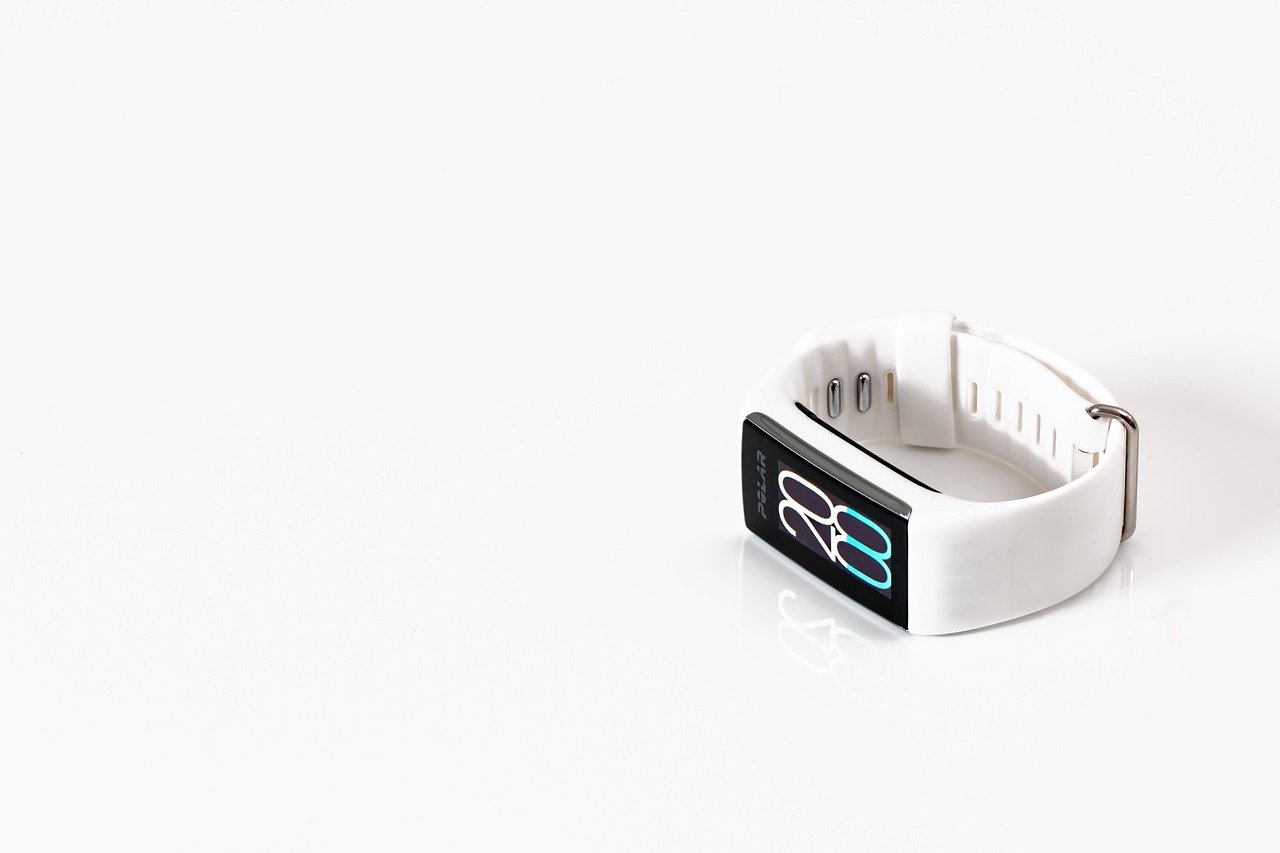
Modern smartwatches like the Withings ScanWatch and Fitbit Sense 2 offer medical-grade ECG and heart rate monitoring.
Withings ScanWatch
The Withings ScanWatch is a hybrid smartwatch with FDA-cleared ECG capability, blood oxygen (SpO2) monitoring, and clinically validated heart rate tracking. It can detect atrial fibrillation and alert you to record an ECG. The ScanWatch also tracks sleep with breathing disturbance detection, activity, and offers an exceptional 30-day battery life. Unlike full-screen smartwatches, the ScanWatch has a traditional watch appearance with a small PMOLED display, making it suitable for those who prefer a classic look. It works with both iOS and Android via the Withings app. The ScanWatch is one of the few wearables that offers medical-grade ECG without requiring daily charging.
Fitbit Sense 2
The Fitbit Sense 2 is an advanced health smartwatch with ECG app capability, continuous heart rate tracking, SpO2 monitoring, skin temperature sensing, and an EDA (electrodermal activity) sensor for stress management. The Sense 2 features an always-on AMOLED display, built-in GPS, and Fitbit’s comprehensive health analytics platform. It provides a daily Stress Management Score, Sleep Score, and heart rhythm notifications. The Fitbit app includes 6 months of Fitbit Premium (Google Health Premium) for new subscribers, offering guided programs, wellness reports, and deeper insights. Battery life is up to 6 days. The Sense 2 integrates with both iOS and Android.
Fitbit Inspire 3
For a more affordable option, the Fitbit Inspire 3 offers 24/7 heart rate tracking, sleep analysis, stress management scoring, and activity tracking in a slim, comfortable band. While it does not have ECG capability, it provides heart rate notifications (high and low) and tracks resting heart rate trends. The Inspire 3 includes 6 months of Fitbit Premium and offers up to 10 days of battery life. At under $100, it is an excellent entry-level health tracker for those who want continuous heart rate monitoring without the cost of a full smartwatch.
Integration with Smart Home Hubs (Alexa, Google Home, Apple Health)
Health monitoring devices become more powerful when integrated with your smart home ecosystem. Voice assistants can provide health updates, smart home routines can respond to health events, and centralized dashboards can combine data from multiple devices. Amazon Alexa integrates with many health devices, including the Amazon Smart Air Quality Monitor, Withings scales, and Fitbit trackers. You can ask Alexa for your weight, blood pressure readings, or air quality status. Alexa routines can trigger actions based on health data, such as turning on an air purifier when VOC levels rise.
Google Home works with Fitbit (owned by Google), Withings, and other health platforms through Google Fit integration. Google Assistant can provide health updates and the Google Fit app aggregates data from multiple sources. Apple Health serves as a central health dashboard on iPhone, pulling data from Apple Watch, Withings devices, Fitbit, and many other health apps. Apple Health provides a comprehensive view of your health data, allows sharing with doctors, and supports health records from participating healthcare systems.
Beyond voice assistants, several platforms enable more advanced health automations. IFTTT (If This Then That) can connect health devices to other smart home products. For example, you could create a rule that turns on bedroom lights gradually when your sleep tracker detects you are waking up, or that adjusts your thermostat based on your sleep stage. Samsung SmartThings integrates with select health devices and can trigger routines based on health events. The key is choosing devices that support open APIs or work with your preferred platform, rather than locking you into a single ecosystem.
When building a health-focused smart home, consider which ecosystem you already use. If you have Amazon Echo devices throughout your home, prioritize Alexa-compatible health devices. If you use Google Nest products, look for Google Fit integration. If you are an Apple household, Apple Health compatibility is essential. Mixing ecosystems is possible but creates a fragmented experience. For setting up your smart home hub to manage health devices, our smart home hub guide and voice assistant guide provide detailed instructions. If you are comparing smart home platforms, our buying comparison guide covers compatibility considerations.
Privacy and Health Data Security
Health data is among the most sensitive personal information you can collect. Smart health devices transmit data to cloud servers, mobile apps, and sometimes third-party services. Understanding how your health data is stored, shared, and protected is essential before investing in any health monitoring system. Several key privacy considerations apply.
First, check whether devices are HIPAA compliant. Medical-grade devices like the Hero medication dispenser and some Withings products follow HIPAA guidelines, while consumer fitness trackers may not. Second, review app permissions. Some health apps request access to location, contacts, or other data unrelated to health tracking. Third, consider data ownership. Some platforms allow you to export your health data, while others make it difficult to leave the ecosystem. Fourth, enable two-factor authentication on all health-related accounts. Fifth, understand that voice assistant integration means your health data may be processed by Amazon, Google, or Apple servers.
For comprehensive guidance on protecting your smart home data, read our detailed smart home privacy guide. That guide covers network security, data encryption, privacy settings for major platforms, and best practices for securing health information in a connected home environment.
It is also worth understanding the regulatory picture. In the United States, the Health Insurance Portability and Accountability Act (HIPAA) applies to healthcare providers and their business associates, but many consumer health device manufacturers are not covered entities under HIPAA. This means your fitness tracker data, sleep data, and even some blood pressure readings may not have the same legal protections as data in your medical record. The Federal Trade Commission (FTC) has taken action against health apps that misrepresent their data practices, but enforcement is reactive rather than preventive. In Europe, the General Data Protection Regulation (GDPR) provides stronger protections for health data, including the right to access, correct, and delete your data. If privacy is a top concern, research each manufacturer’s data policies before purchase, and prefer devices that allow local data storage or offer opt-outs from cloud syncing.
Budget Recommendations and Comparison Table
Building a smart home health monitoring system does not have to be expensive. Here is how to prioritize based on budget:
Under $100: Start with the Renpho smart scale ($25-$30), iHealth Track BP monitor ($40), and Kinsa QuickCare thermometer ($25). This combination covers weight tracking, blood pressure, and fever monitoring for under $100. See our budget guide for more affordable smart home options.
$100-$300: Add the Eufy P2 Pro scale ($50), Withings BPM Connect ($130), Withings Sleep Analyzer ($130), and Airthings View Plus ($230). This mid-range setup adds sleep tracking and air quality monitoring.
$300-$600: Add the Apple Watch SE ($189-$219) or Fitbit Charge 6 ($130) for continuous heart rate and activity tracking. Add the Withings Thermo ($100) for premium temperature tracking.
$600+: Add the Withings ScanWatch ($300) or Fitbit Sense 2 ($300) for ECG capability, and the LiveFine pill dispenser ($100) or Hero subscription for medication management.
| Device Type | Top Pick | Budget Pick | Key Feature | Price Range |
|---|---|---|---|---|
| Smart Scale | Withings Body+ | Renpho Scale | Body composition, Wi-Fi sync | $25 to $100 |
| Blood Pressure Monitor | Omron Platinum | iHealth Track | AFib detection, app sync | $40 to $100 |
| Sleep Tracker | Withings Sleep Analyzer | Fitbit Inspire 3 | Sleep apnea detection | $80 to $130 |
| Air Quality Monitor | Airthings View Plus | Amazon AQ Monitor | Radon, PM2.5, VOC detection | $70 to $230 |
| Heart Rate/ECG | Withings ScanWatch | Fitbit Inspire 3 | FDA-cleared ECG | $80 to $300 |
| Fall Detection | Apple Watch SE | Lively Mobile2 | Auto emergency calling | $80 to $220 |
| Smart Thermometer | Withings Thermo | Kinsa QuickCare | Non-contact, app tracking | $25 to $100 |
| Medication Dispenser | Hero Subscription | LiveFine Dispenser | Auto-dispensing, caregiver alerts | $100 to $40/month |
Common Mistakes to Avoid with Smart Home Health Monitoring
Setting up a health monitoring system at home can be incredibly beneficial, but several common mistakes reduce effectiveness or create unnecessary problems.
1. Buying too many devices at once. Start with one or two devices that address your most pressing health concerns. Adding too many devices simultaneously can feel overwhelming and lead to abandoned devices. For guidance on what to prioritize, see our buying comparison guide.
2. Ignoring app compatibility. If your scale uses one app, your blood pressure monitor uses another, and your sleep tracker uses a third, you will end up checking multiple apps daily. Look for devices that share a common ecosystem (like Withings) or that sync to Apple Health or Google Fit for centralized data.
3. Not sharing data with your doctor. Health data collected at home is most valuable when shared with healthcare providers. Many apps generate PDF reports or offer direct sharing features. Make this a regular part of your checkups.
4. Neglecting privacy settings. Default settings on many health apps share more data than necessary. Review privacy settings, disable unnecessary data sharing, and use strong passwords with two-factor authentication. Our privacy guide covers this in detail.
5. Using consumer devices for medical diagnosis. Smart health devices are excellent for tracking trends and providing alerts, but they are not diagnostic tools. Always consult a healthcare professional for diagnosis and treatment decisions based on abnormal readings.
6. Forgetting to charge devices. Battery-powered health devices only work when charged. Establish a charging routine, or choose devices with long battery life (like the Withings ScanWatch with 30-day battery) or Wi-Fi-powered options (like the Withings Sleep Analyzer) to minimize maintenance.
7. Not setting up caregiver alerts. If you are monitoring an elderly parent’s health, configure caregiver notifications in the app. This ensures you are alerted to missed medications, abnormal readings, or falls. For more tips on avoiding common smart home problems, see our smart home mistakes guide.
8. Overlooking insurance savings. Some health monitoring devices and medical alert systems may qualify for insurance discounts or FSA/HSA reimbursement. Our insurance savings guide explains how to take advantage of these benefits.
Frequently Asked Questions
1. Are smart home health monitoring devices accurate enough to replace doctor visits?
No. Smart health devices are excellent for tracking trends and detecting potential issues between doctor visits, but they are not diagnostic tools. Devices like the Withings BPM Connect and Omron Platinum are clinically validated for accuracy, but any abnormal reading should be confirmed by a healthcare professional. Use these devices to supplement, not replace, regular medical care.
2. Which smart scale is best for families with multiple users?
The Withings Body+ and Eufy Smart Scale P2 Pro both support multiple users with automatic recognition. The Withings Body+ supports up to 8 users via Wi-Fi sync, while the Eufy P2 Pro supports unlimited users via Bluetooth. For families, Wi-Fi sync is more convenient since it does not require a phone to be nearby during each weighing.
3. Can smart home health devices detect heart attacks?
No consumer smart device can detect or diagnose a heart attack. Some devices, like the Withings ScanWatch and Fitbit Sense 2, offer ECG capability that can detect atrial fibrillation (an irregular heart rhythm). Irregular rhythm notifications may prompt earlier medical evaluation, but these features are not designed to detect acute cardiac events. If you experience chest pain, shortness of breath, or other heart attack symptoms, call emergency services immediately.
4. How does fall detection work on the Apple Watch?
The Apple Watch uses accelerometer and gyroscope data to detect hard falls. If a fall is detected, the watch displays an alert and starts a 60-second countdown. If you do not respond (by tapping “I’m OK” or dismissing the alert), the watch automatically calls emergency services and sends a message with your location to your emergency contacts. Fall detection can be set to “always on” or “on during workouts only.”
5. Do I need a subscription for smart health devices?
Most smart health devices work without a subscription, including scales, blood pressure monitors, sleep trackers, and thermometers. However, some devices offer premium subscriptions for advanced features. For example, Fitbit Premium provides deeper analytics and guided programs. The Hero medication dispenser requires a monthly subscription ($39.99 to $44.99/month) that includes the device, app, and 24/7 support. The Lively Mobile2 requires a service plan starting at $24.99/month.
6. Are smart blood pressure monitors covered by insurance or FSA/HSA?
Many smart blood pressure monitors are FSA and HSA eligible, including the Omron Platinum and iHealth Track. Some insurance plans may cover blood pressure monitors with a doctor’s prescription. Medical alert devices like the Lively Mobile2 are also FSA/HSA eligible. Check with your insurance provider and FSA/HSA administrator for specific coverage details.
7. Can air quality monitors actually improve my health?
Yes. Studies show that improving indoor air quality reduces respiratory symptoms, improves sleep quality, and enhances cognitive function. Air quality monitors like the Airthings View Plus identify specific pollutants (radon, VOCs, PM2.5, CO2) so you can take targeted action, such as increasing ventilation, using air purifiers, or identifying and removing pollution sources. Monitoring is the first step toward improvement.
8. What is the difference between a sleep pad and a wearable sleep tracker?
Sleep pads like the Withings Sleep Analyzer go under your mattress and track sleep without anything to wear. They measure heart rate, breathing, and movement through the mattress. Wearable trackers like the Fitbit Charge 6 are worn on the wrist and track similar metrics plus additional data like blood oxygen and skin temperature. Sleep pads are more convenient (no charging, nothing to remember to wear) but only work in one bed. Wearables work anywhere you sleep but require regular charging.
9. How secure is my health data on smart home devices?
Security varies by manufacturer. Medical-grade devices like the Hero dispenser are HIPAA compliant. Consumer devices from reputable brands (Withings, Omron, Fitbit, Apple) use encryption and follow industry security practices. However, no connected device is completely risk-free. To protect your data, use strong unique passwords, enable two-factor authentication, keep apps updated, review privacy settings, and choose devices from established manufacturers. Read our smart home privacy guide for detailed security recommendations.
10. What should I buy first when building a smart home health monitoring system?
Start with the health metric most relevant to your situation. For general wellness, a smart scale is the best starting point. For cardiovascular concerns, prioritize a smart blood pressure monitor. For sleep issues, begin with a sleep tracking device. For elderly family members, fall detection should be the first priority. Start with one device, learn how to use it and its app, then expand your system gradually based on needs and budget.
Conclusion
Smart home health monitoring in 2026 offers an unprecedented ability to track, understand, and improve your wellness from the comfort of your home. From smart scales that measure body composition to ECG-enabled smartwatches that detect irregular heart rhythms, the technology available today was unimaginable just a decade ago. The key to success is starting with devices that address your specific health concerns, choosing products from reputable brands with strong privacy practices, and integrating them into your daily routine.
Remember that smart health devices are tools for awareness and trend tracking, not replacements for professional medical care. The most effective approach combines home monitoring with regular healthcare visits, sharing your collected data with your doctor to inform better health decisions. By building your smart home health monitoring system thoughtfully, prioritizing privacy, and avoiding common setup mistakes, you can create a home environment that actively supports your long-term health and wellbeing.
For more smart home guidance, explore our complete collection of guides including the hub guide, voice assistant guide, emergency preparedness guide, and mistakes to avoid guide. Whether you are just starting or expanding an existing setup, deeperthing.com has the resources you need to make your smart home work for your health.