
FTC Affiliate Disclosure: DeeperThing.com may earn commissions from qualifying purchases made through links in this article. We only recommend products we believe provide genuine value. Our recommendations are based on independent research and testing. Prices and availability are subject to change. This does not influence our editorial content or product rankings.
Introduction: How Smart Home Devices Qualify You for Insurance Discounts
Homeowners insurance premiums continue to climb across the United States, with the average annual cost now exceeding $2,500 in many states. But what many homeowners do not realize is that the smart home devices sitting in their living rooms, basements, and entryways could qualify them for significant insurance discounts ranging from 5% to 20% or more. Insurance companies have recognized that connected devices reduce claim frequency, and they are increasingly offering premium reductions to policyholders who install qualifying technology.
The logic is simple. Water damage costs insurers an average of $12,500 per claim. Burglary claims average $4,000. Fire claims often exceed $50,000. When smart devices detect problems early, prevent break-ins, or shut off water before catastrophic damage occurs, insurers pay out less money. They pass some of those savings back to you in the form of discounted premiums. According to a 2026 NerdWallet survey of major insurers, companies are advertising homeowners insurance discounts of up to 20% for qualifying smart home setups.
The average homeowner who installs a comprehensive smart home security and monitoring system can save between $150 and $400 annually on insurance premiums. When you factor in the claim prevention value of these devices (avoiding deductibles and premium increases after a claim), the total financial benefit can exceed $1,000 per year. For a deeper look at building a complete smart home protection system, check out our smart home security complete protection guide for 2026.
This guide walks you through every category of smart home device that can lower your insurance bill, which insurance companies offer the best discounts, specific product recommendations with real Amazon links, and a step-by-step process for claiming your savings. Whether you are building a smart home from scratch or already own devices you have not reported to your insurer, this guide will help you maximize your premium reduction.
If you are new to smart home technology entirely, our smart home beginners complete setup guide for 2026 provides a foundation before you focus on insurance-specific devices.
Which Insurance Companies Offer Smart Home Discounts
Not all insurance companies treat smart home devices the same way. Some offer structured discount programs with specific device requirements, while others provide general protective device credits. Understanding what your insurer offers is the first step toward claiming your discount. Below is a detailed breakdown of the major insurance companies and their smart home discount programs as of 2026.
State Farm
State Farm offers a Protective Device Discount that can save policyholders up to 15% on homeowners insurance premiums. Their program recognizes professionally monitored security systems (particularly ADT installations), smoke detectors, fire alarms, and sprinkler systems. State Farm also partners with Ting, offering a free Ting electrical monitoring device to policyholders in most states. The Ting device plugs into an outlet and monitors your home electrical network for hazards that could cause fires. It includes a lifetime $1,000 repair credit for fixing any issues Ting identifies. This program alone can prevent electrical fire claims, making it valuable beyond the insurance discount.
Allstate
Allstate offers one of the more generous smart home discount structures in the industry. Single qualifying devices (such as a smart security camera or water leak sensor) can earn up to 5% off your premium. When you combine multiple devices with professional monitoring through their ADT partnership, discounts can reach 15% or higher depending on your state. Allstate requires that devices come from their approved list, so always check with your agent before purchasing. Their program specifically covers monitored burglar alarms, fire alarms, and smart water shutoff valves.
USAA
USAA serves military members, veterans, and their families, and their Connected Home program is one of the most structured smart home discount initiatives available. By installing at least two water leak detectors from First Alert or Honeywell Home and sharing device data with USAA, policyholders can save up to 8% on their homeowners insurance. The average Connected Home participant saves $133 per year. USAA offers leak detection kits starting at $112 through their USAA Perks program. The discount is applied automatically once devices begin sharing data. This program is not available in North Carolina and has limited availability in Wisconsin.
Liberty Mutual
Liberty Mutual offers up to 10% savings for policyholders who install approved smart water monitoring devices. They have partnered with Google Nest in the past, offering free or discounted Nest Protect smoke detectors to qualifying policyholders. Liberty Mutual’s protective device discount also covers monitored alarm systems, and it stacks well with their home and auto bundling discount. When you combine bundling, smart home devices, and other credits, total savings can reach 25% to 30%.
Farmers Insurance
Farmers offers savings of 5% to 20% for smart home devices that protect against water leaks, fires, or theft. Larger discounts apply to devices with professional monitoring. Farmers has partnered with Ring and Moen, and in some California renewals, they have begun requiring whole home leak detection with automatic shutoff valves. Their program is particularly aggressive in water damage prevention, reflecting the growing cost of water related claims in western states.
Hippo Insurance
Hippo takes a unique approach by including a free smart home monitoring kit with qualifying policies. Their program offers up to 13% savings: 10% for self monitored systems and 13% for professionally monitored setups. The average Hippo policyholder saves between $64 and $91 per year through their smart home discount. Hippo also provides proactive home maintenance guidance based on smart device data, helping prevent claims before they happen.
Nationwide
Nationwide provides free smart home monitoring systems to policyholders in select states. Their program includes free water leak and electrical fire detectors that must be activated within 55 days of enrollment. Discounts can reach up to 15% and apply to devices that help prevent theft, fire, or water leaks. Nationwide has piloted IoT based risk reduction programs that use smart device data to identify potential claims before they occur.
Chubb Insurance
Chubb offers one of the most generous protective device programs in the industry, with discounts up to 35% for certain comprehensive systems. Their program covers leak detectors, smart thermostats, central station alarms, and automatic sprinkler systems. Chubb primarily serves high value homes, and their discount structure reflects the higher premium base of their policyholders. They also partner with water sensor providers to offer discounts on device purchases.
Cincinnati Insurance
Cincinnati Insurance offers savings of 2% to 8% for automatic water shutoff devices, centrally monitored fire or burglar alarms, temperature sensors, and gas valves that shut off automatically during earthquakes. They partner with water sensor providers to offer discounts on smart home device purchases, making it easier for policyholders to invest in qualifying technology.
For guidance on avoiding common pitfalls when setting up your smart home, see our article on smart home mistakes to avoid in 2026.
Smart Security Cameras That Qualify for Insurance Discounts
Security cameras are among the most recognized smart home devices for insurance discount qualification. Insurers value cameras because they deter burglaries, provide evidence for claims, and when integrated into a monitored system, can trigger faster emergency response. Standalone cameras typically earn modest discounts of 2% to 5%, but when bundled into a professionally monitored security system, they can contribute to discounts of 10% to 20%.
For our comprehensive rankings of the best options on the market, read our best home security cameras 2026 guide. Below are specific recommendations that work well for insurance discount qualification.
1. Ring Indoor Cam (2nd Gen)
The Ring Indoor Cam (2nd Gen) is one of the most affordable ways to start building a security camera setup that insurers recognize. At under $50, it delivers 1080p HD video, color night vision, two way audio, and customizable motion detection. The Ring ecosystem integrates with Ring Alarm systems, which are recognized by Travelers, Farmers, and other major insurers. When paired with a Ring Protect Plan and Ring Alarm, this camera becomes part of a professionally monitored system that qualifies for the highest discount tiers.
2. Blink Outdoor 4
The Blink Outdoor 4 offers wireless outdoor monitoring with up to two years of battery life on two AA lithium batteries. Its 1080p HD video, 143 degree field of view, and person detection (with subscription) make it a strong choice for exterior coverage. Blink is an Amazon owned brand, and its cameras work with Alexa enabled devices. Insurers that recognize Ring Alarm systems often extend similar consideration to Blink setups when integrated with a Sync Module for cloud storage. The Blink Outdoor 4 starts at $119.99 for a single camera system with Sync Module.
3. Arlo Pro 5S 2K
The Arlo Pro 5S 2K is a premium wire free security camera that captures 2K HDR video with a 160 degree field of view. It features dual band Wi Fi (2.4GHz and 5GHz), color night vision, a built in spotlight, and an integrated siren. The Arlo Pro 5S is compatible with the Arlo Home Security System, which provides professional monitoring through Arlo’s partnership with Rapid Response. This makes it one of the few DIY camera systems that can qualify for professional monitoring discounts without requiring a traditional alarm company. The camera also includes 12x digital zoom and works with Amazon Alexa, Google Assistant, and Samsung SmartThings.
4. Eufy Security Indoor Cam S350
The Eufy Security Indoor Cam S350 features a dual camera system with 4K wide angle and 2K telephoto lenses, delivering 8x hybrid zoom and 360 degree pan and tilt coverage. It supports Wi Fi 6 for fast, stable connectivity and includes AI powered tracking that follows people or pets as they move. With local storage via microSD card (no subscription required), the S350 is an excellent choice for homeowners who want evidence quality footage without ongoing costs. Eufy cameras integrate with HomeBase S380, which can serve as a hub for broader smart home security setups that insurers may recognize.
For ideas on automating your camera system with other smart home devices, see our smart home automation ideas for 2026.
Video Doorbells for Insurance Discounts
Video doorbells serve as visible deterrents to burglars and package thieves. While a standalone video doorbell typically does not qualify for a significant insurance discount on its own, it becomes valuable when integrated into a broader monitored security system. Some insurers, particularly Travelers and Farmers, recognize Ring doorbell systems as part of their protective device credits. Our complete rankings are available in our best video doorbells 2026 guide.
1. Ring Battery Doorbell Plus
The Ring Battery Doorbell Plus delivers head to toe 1080p HD video with color night vision and 3D motion detection powered by radar technology. The Bird’s Eye View feature provides an aerial perspective of motion events on your property. When paired with a Ring Protect Plan, the doorbell stores video for up to 180 days and supports person and package alerts. The Ring ecosystem is recognized by more insurers than any other DIY video doorbell brand, making this an excellent choice for insurance discount qualification. Battery life lasts up to 12 weeks per charge with typical use.
2. Ring Battery Doorbell (2024 Release)
The Ring Battery Doorbell (2024 Release) is the newest generation of Ring’s best selling doorbell. It features head to toe HD video, color night vision, and up to 23% longer battery life than the previous model. The 2024 release includes improved motion detection and customizable privacy zones. At a lower price point than the Plus model, it offers excellent value for homeowners building a Ring based security system for insurance purposes.
3. Arlo Video Doorbell 2K (2nd Gen)
The Arlo Video Doorbell 2K (2nd Gen) captures 2K resolution video with a unique square field of view that shows visitors from head to toe and packages on the ground. It features a built in siren, two way audio, and works with or without an Arlo Secure subscription. The doorbell can be installed wire free on battery power or hardwired for continuous charging. When integrated with the Arlo Home Security System and Arlo Secure Plan, it contributes to a professionally monitored setup that qualifies for higher insurance discount tiers.
4. Blink Video Doorbell
The Blink Video Doorbell offers an affordable entry point into video doorbell technology. It records 1080p HD video day and night, includes two way audio, and runs on two AA lithium batteries that last up to two years when used with a Sync Module. The doorbell works with Alexa enabled devices for live view and announcements. While Blink does not offer professional monitoring on its own, the doorbell can be part of a broader Blink system that includes outdoor cameras and a Sync Module for cloud storage, which some insurers accept as evidence of a functioning security system.
Smart Locks and Access Control
Smart locks improve home security by eliminating physical keys (which can be lost, copied, or stolen), providing access logs, and enabling remote locking and opening. Insurers view smart locks favorably when they are part of a monitored security ecosystem. Standalone smart locks may earn modest discounts of 1% to 3%, but when integrated with a monitored alarm system, they contribute to larger protective device credits. Our complete smart lock rankings are in our best smart locks 2026 guide.
1. August Wi-Fi Smart Lock (4th Gen)
The August Wi-Fi Smart Lock (4th Gen) is a best selling smart lock that attaches to your existing deadbolt on the inside of the door, meaning you can keep your original keys. It features built in Wi Fi (no hub required), auto lock and auto open functionality, and a DoorSense sensor that tells you if the door is securely closed. The August app provides an activity feed showing who came and went, and you can generate virtual guest keys for family, friends, or service providers. August works with Amazon Alexa, Google Assistant, and Apple HomeKit. The lock is compatible with most standard single cylinder deadbolts and installs in about 10 minutes.
2. Schlage Encode Smart WiFi Deadbolt
The Schlage Encode Smart WiFi Deadbolt features built in Wi Fi, eliminating the need for a separate hub or adapter. It offers keypad entry with up to 100 access codes, built in alarm technology that senses attacks on the lock, and ANSI Grade 1 certification (the highest security rating for residential locks). Schlage is one of the most trusted names in lock manufacturing, and the Encode’s Grade 1 rating is particularly relevant for insurance purposes, as some insurers specifically require ANSI Grade 1 or Grade 2 certified locks for protective device discounts. The lock works with Amazon Alexa and Google Assistant for voice control.
3. Eufy Security Smart Lock S230
The Eufy Security Smart Lock S230 recognizes fingerprints in 0.3 seconds and opens in 1 second. It features built in Wi Fi for remote control via the Eufy Security app, auto lock functionality, and a rechargeable battery that lasts up to one year per charge (approximately 100,000 lock cycles). The lock is BHMA Grade 2 certified and IP65 weatherproof, making it suitable for front doors exposed to the elements. Multiple entry methods include fingerprint, app, keypad, and physical key. The S230 works with Amazon Alexa and Google Assistant.
4. Yale Assure Lock 2
The Yale Assure Lock 2 offers keyless entry with a backlit keypad, auto open, and hands free operation. It features a modular design that allows you to upgrade with Wi Fi, Matter, or Z Wave modules as your smart home needs evolve. The lock is ANSI/BHMA Grade 2 certified and works with Apple HomeKit, Amazon Alexa, Google Home, and Samsung SmartThings. Yale’s 180 year history in lock manufacturing adds credibility that some insurers appreciate when evaluating protective device qualifications.
For help troubleshooting smart lock connectivity or other smart home issues, see our smart home troubleshooting guide for 2026.
Water Leak Sensors and Automatic Shut Off Valves
Water damage is the second most common homeowners insurance claim in the United States, and the average water damage claim now exceeds $12,500. Smart water leak sensors and automatic shut off valves are the single highest ROI category for insurance discount purposes. Insurers including USAA, Liberty Mutual, Nationwide, Farmers, and Chubb all offer specific discounts for water leak detection devices. Discounts range from 2% to 15% depending on whether the device simply detects leaks or also automatically shuts off the water supply. Some insurers in high risk areas are now requiring whole home leak detection with automatic shutoff for policy renewal.
For broader guidance on protecting your home from emergencies, see our smart home emergency preparedness guide for 2026.
1. Moen Flo Smart Water Monitor and Shutoff
The Moen Flo Smart Water Monitor and Shutoff is the gold standard for insurance discount qualification. Installed on your home’s main water supply line, it continuously monitors water flow, pressure, and temperature. Its proprietary MicroLeak technology runs daily health tests to detect leaks as small as a single drop per minute, including leaks behind walls. When a leak is detected, the device can automatically shut off your home’s water supply, preventing catastrophic damage even when you are away. The Flo device works with Amazon Alexa, Google Assistant, Ring, and Alarm.com. Farmers Insurance has specifically partnered with Moen for their water damage prevention program in California. This is the device most likely to qualify you for the maximum water damage prevention discount with any insurer.
2. GoveeLife Wi-Fi Water Leak Detector
The GoveeLife Wi-Fi Water Leak Detector offers an affordable alternative to whole home shutoff systems. The kit includes a Wi Fi gateway and three sensors that communicate wirelessly up to 1,804 feet. Each sensor features dual probes, a 105 dB alarm, and IP67 waterproofing. The system sends push notifications, emails, and app alerts when water is detected. With five year battery life per sensor, this is a set and forget solution for placing sensors under sinks, near water heaters, behind washing machines, and beside toilets. While it does not shut off water automatically, it provides early detection that can prevent minor leaks from becoming major claims.
3. Aqara Water Leak Sensor
The Aqara Water Leak Sensor is a compact, battery powered sensor that works with Apple HomeKit, Amazon Alexa, and Google Home through an Aqara hub. It detects water at 0.5mm depth and triggers immediate app notifications and alarms. The CR2032 battery lasts up to two years, and the IP67 rated sensor can be placed anywhere moisture is a concern. When integrated with other Aqara devices, the leak sensor can trigger automations such as turning off smart water valves or activating smart plugs to cut power to appliances. This integration capability makes it particularly valuable for homeowners building a comprehensive smart home insurance setup.
4. YoLink Water Leak Sensor Kit
The YoLink Water Leak Sensor Kit uses LoRa (Long Range) wireless technology, offering up to 1,300 feet of range between sensors and the hub, far exceeding typical Wi Fi or Zigbee range. This makes it ideal for large homes, basements, and outbuildings. The kit includes a hub and four leak sensors, each with a 100 dB alarm. YoLink sensors have been specifically recommended for insurance purposes because their long range ensures coverage of every potential leak source in the home. The system integrates with Amazon Alexa and IFTTT for automation.
Smart Smoke and Carbon Monoxide Detectors
Smart smoke and carbon monoxide detectors are viewed very favorably by insurers because fire is one of the most expensive claim categories. Traditional smoke detectors only sound an alarm when someone is home to hear it. Smart detectors send alerts to your phone and, when connected to a monitored system, can automatically notify the fire department. When bundled with a monitored security system, fire and smoke protection can push combined insurance discounts into the 15% to 20% range.
1. Google Nest Protect (2nd Generation)
The Google Nest Protect (2nd Generation) is the most recognized smart smoke and CO detector on the market. It features a split spectrum sensor that detects both slow smoldering fires and fast flaming fires, reducing false alarms. The Nest Protect speaks in a human voice, telling you what type of emergency is detected and in which room. It sends phone alerts when you are away, tests itself automatically, and lasts up to 10 years. The detector interconnects wirelessly with other Nest Protect units, so when one alarm sounds, they all sound. Liberty Mutual has historically partnered with Google Nest, making the Nest Protect a strong choice for insurance discount qualification.
2. First Alert SC5 Smart Smoke and CO Alarm
The First Alert SC5 Smart Smoke and CO Alarm is billed as the replacement for the discontinued Nest Protect. It can wirelessly interconnect with existing Nest Protect units and integrates with Google Home. The SC5 features a fail safe hush button that prevents you from silencing a legitimate fire alarm, an important safety feature. It provides voice alerts specifying the type and location of danger and sends smartphone notifications through the First Alert app. First Alert is a partner in USAA’s Connected Home program, making this detector particularly valuable for USAA policyholders.
3. X-Sense Smart Smoke Detector XS01-M
The X-Sense Smart Smoke Detector XS01-M offers Wi Fi connectivity at a budget friendly price point. It sends real time alerts to your phone when smoke is detected, includes a 10 year sealed battery, and features a photoelectric sensor that reduces false alarms from cooking. The detector works with the X-Sense Home Security app and can interconnect with other X-Sense devices through a base station. While it lacks the premium features of Nest Protect, its affordability makes it practical for outfitting an entire home with smart smoke detection.
Smart Thermostats
Some insurers, including Chubb and Cincinnati Insurance, offer discounts for smart thermostats because they help prevent frozen pipes (which cause an average of $27,000 per claim) and detect temperature anomalies that could indicate fire or HVAC problems. While thermostat discounts are typically smaller than those for security or water leak devices (1% to 5%), they add up when stacked with other smart home credits. For our complete rankings, visit our best smart thermostats 2026 guide.
1. Google Nest Thermostat (2020)
The Google Nest Thermostat (2020) offers energy saving temperature control at an affordable price. It learns your schedule and adjusts temperatures automatically, includes an Eco mode for energy savings when you are away, and works with the Google Home app. The thermostat can send alerts if your home temperature drops to potentially dangerous levels, which is the feature insurers care about most for frozen pipe prevention. It is ENERGY STAR certified and works with most 24V HVAC systems.
2. ecobee Smart Thermostat Premium
The ecobee Smart Thermostat Premium includes a built in air quality monitor, occupancy sensing radar, and Amazon Alexa built in. It comes with a remote SmartSensor that detects occupancy and temperature in specific rooms, eliminating hot and cold spots. The thermostat can save up to 26% on annual heating and cooling costs. For insurance purposes, its freeze protection alerts and HVAC monitoring capabilities are the key features. The ecobee Premium also functions as a smart security hub when paired with ecobee Smart Sensors, adding another layer of home protection that insurers may recognize.
3. Amazon Smart Thermostat
The Amazon Smart Thermostat is the most affordable ENERGY STAR certified smart thermostat on the market. It works with the Alexa app and Ring app for remote control, includes scheduling with up to four time periods per day, and features an indoor humidity sensor. Alexa Hunches can automatically adjust the temperature when nobody is home or everyone is asleep. While it lacks the advanced features of premium thermostats, its low price makes it accessible for homeowners who want freeze prevention alerts and basic energy savings without a large upfront investment.
4. Honeywell Home RTH9585WF Smart Color Thermostat
The Honeywell Home RTH9585WF Smart Color Thermostat offers a customizable color touchscreen, 7 day programming, and ENERGY STAR certification. It works with Amazon Alexa and Google Assistant for voice control and sends alerts for extreme temperature changes. Honeywell Home is a partner in USAA’s Connected Home program, which specifically recognizes Honeywell Home water leak and freeze detection devices. The thermostat’s integration with the broader Honeywell Home ecosystem makes it a natural choice for USAA policyholders building a qualifying smart home setup.
For seniors or family members who may need simpler interfaces, our smart home for seniors guide covers accessible thermostat and device options.
How to Document Your Smart Home Setup for Insurance
Installing smart home devices is only half the battle. To actually receive insurance discounts, you must document your setup and submit it to your insurer. Follow these steps to ensure your discount is approved:
- Step 1: Photograph every device installation. Take clear photos of each installed device, showing its location in your home. Include photos of the device in its packaging (showing brand and model) and installed in its final position. Insurers may request proof of installation.
- Step 2: Obtain monitoring certificates. If you have professional monitoring (through Ring Alarm, SimpliSafe, ADT, or another provider), request a monitoring certificate. This document identifies your system model, the monitoring center’s UL certification, and your account number. Most providers email this certificate within 5 business days of activation.
- Step 3: Export device history reports. For self monitored devices, export a monitoring history report from the device app. This shows the device is active and functioning. Some insurers require 30 to 90 days of history before applying the discount.
- Step 4: List all devices with brand and model numbers. Create a spreadsheet listing each device, its brand, model number, purchase date, and installation location. Include whether each device is self monitored or professionally monitored.
- Step 5: Contact your insurance agent. Call your agent or log into your online account and request the smart home or protective device discount. Submit your documentation and ask which specific discounts you qualify for.
- Step 6: Verify the discount on your declarations page. After your insurer processes the discount, check your next declarations page. The discount should appear as a protective device credit. If it does not appear, follow up with your agent.
- Step 7: Keep monitoring active year round. Canceling your monitoring service typically means losing the discount at your next renewal. Maintain continuous coverage to keep your savings.
For additional tips on protecting your home while traveling, see our smart home vacation guide for 2026.
Cost Benefit Analysis: Device Costs vs Premium Savings
Before investing in smart home devices for insurance discounts, it is important to understand the return on investment. The table below compares the cost of common smart home devices against the potential annual insurance savings. These figures are based on a $2,500 annual premium with typical discount percentages.
| Device Category | Representative Product | Estimated Cost | Typical Insurance Discount | Annual Savings ($2,500 Premium) | Payback Period |
|---|---|---|---|---|---|
| Water Leak Sensor (Basic) | GoveeLife Wi-Fi Kit | $45 | 2-5% | $50-$125 | 0.4-0.9 years |
| Water Leak Sensor (Premium) | Moen Flo Shutoff | $500-$700 | 5-15% | $125-$375 | 1.3-5.6 years |
| Security Camera (Single) | Ring Indoor Cam | $50 | 2-5% | $50-$125 | 0.4-1.0 years |
| Monitored Security System | Ring Alarm Pro + Plan | $300 + $20/mo | 10-20% | $250-$500 | 0.6-1.2 years* |
| Smart Smoke Detector | Nest Protect | $100-$140 | 2-5% | $50-$125 | 0.8-2.8 years |
| Smart Lock | August Wi-Fi Lock | $200 | 1-3% | $25-$75 | 2.7-8.0 years |
| Smart Thermostat | Nest Thermostat | $100 | 1-3% | $25-$75 | 1.3-4.0 years |
| Full Smart Home Package | Multiple Devices + Monitoring | $800-$1,500 | 15-25% | $375-$625 | 1.3-4.0 years |
*Payback period for monitored systems accounts for monthly monitoring fees. Claim prevention value (avoiding deductibles and premium increases) can significantly shorten actual payback periods.
The data shows that water leak sensors offer the fastest payback, particularly budget models like the GoveeLife kit. A full smart home package with professional monitoring offers the largest absolute savings but requires a higher upfront investment. For budget conscious homeowners, our budget smart home guide for 2026 provides additional cost optimization strategies.
Budget Friendly Insurance Discount Setup (Under $200)
You do not need to spend thousands of dollars to qualify for insurance discounts. The following setup costs under $200 and can qualify you for discounts of 5% to 10% or more, depending on your insurer:
- Water Leak Detection ($45): The GoveeLife Wi-Fi Water Leak Detector with three sensors provides whole home coverage for under $50. Place sensors near your water heater, washing machine, and under the kitchen sink.
- Security Camera ($50): The Ring Indoor Cam (2nd Gen) provides visible security coverage for your main entry area at under $50.
- Smart Plug ($25): The Amazon Smart Plug can automate lights to create the appearance of occupancy when you are away, a simple but effective burglary deterrent.
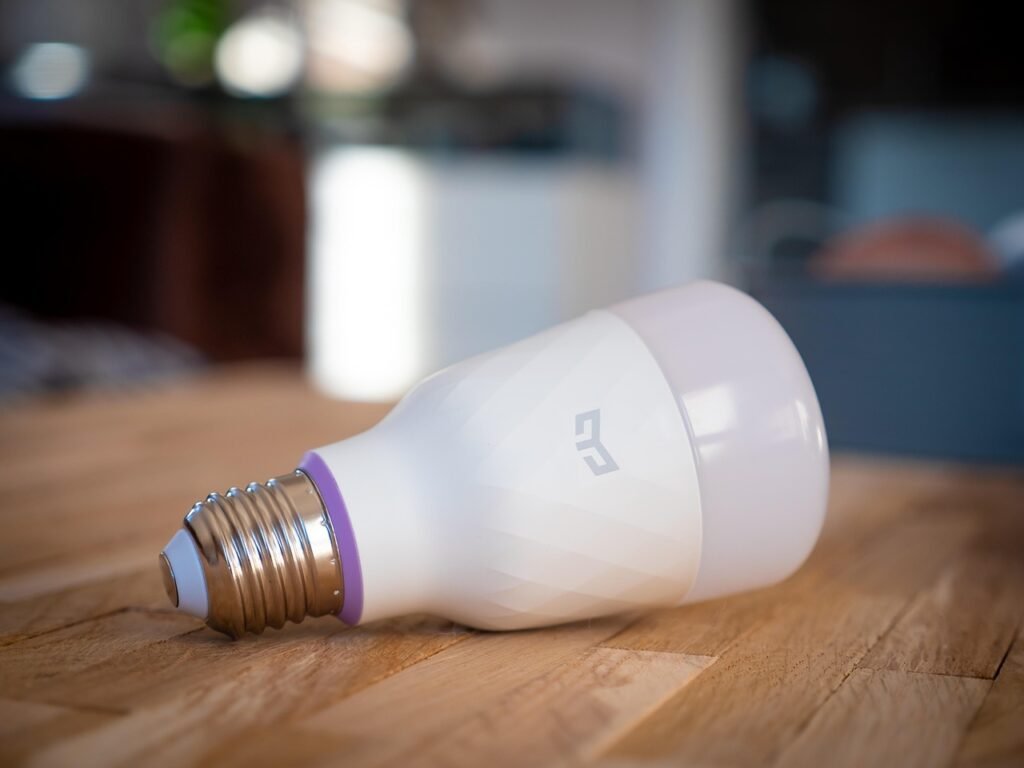
- Smart Light Bulbs ($25): Smart bulbs like those in our best smart light bulbs 2026 guide can be scheduled to turn on and off at random intervals, enhancing the lived in appearance of your home.
- Documentation and Filing ($0): Photograph your installations, export device history from the apps, and submit to your insurer. This step costs nothing but is essential for receiving your discount.
Total cost: approximately $145 to $150. With a 5% discount on a $2,500 premium, you save $125 in the first year, nearly recouping your entire investment. In the second year, the savings are pure profit. If your insurer offers a 10% discount for a more complete setup, you save $250 annually, meaning the system pays for itself in less than 8 months.
This budget approach also sets the foundation for future expansion. You can add a smart smoke detector, video doorbell, or smart lock in subsequent months, increasing your discount over time without a large initial outlay.
Common Mistakes to Avoid When Claiming Smart Home Discounts
Many homeowners leave money on the table by making avoidable mistakes when pursuing smart home insurance discounts. Here are the most common errors and how to avoid them:
- Mistake 1: Assuming discounts are automatic. Insurance companies rarely apply smart home discounts without you requesting them. You must proactively contact your insurer, provide documentation, and ask for the protective device credit. Millions of homeowners own qualifying devices but never claim the discount.
- Mistake 2: Not verifying device compatibility. Not all devices qualify with all insurers. USAA only accepts First Alert and Honeywell Home water leak detectors for their Connected Home program. Always check with your insurer before purchasing devices specifically for insurance purposes.
- Mistake 3: Failing to maintain monitoring. If you cancel your professional monitoring service, your insurer will likely remove the discount at your next renewal. Ensure you can sustain the monthly monitoring cost before committing to a monitored system.
- Mistake 4: Overlooking stacking opportunities. Smart home discounts can often be stacked with other credits such as home and auto bundling, new home discounts, claim free discounts, and loyalty discounts. Always ask your agent which discounts can be combined. American Family advertises total savings of up to 40% when stacking multiple discounts.
- Mistake 5: Not documenting device placement. Insurers may request proof that devices are installed in appropriate locations. Water leak sensors should be near actual water sources. Security cameras should cover entry points. Keep photographic evidence of every installation.
- Mistake 6: Ignoring data sharing requirements. Some programs, like USAA’s Connected Home, require you to share device data with the insurer. If you do not enable data sharing, you will not receive the discount. Read the terms carefully before enrolling.
- Mistake 7: Buying devices without checking insurer partnerships. Many insurers have partnerships that provide free or discounted devices. Nationwide offers free smart home monitoring systems in some states. State Farm provides free Ting devices. Check with your insurer before buying anything.
- Mistake 8: Not re evaluating at renewal. Insurance discounts can change. New programs are introduced, and existing programs may be modified. Review your policy at each renewal and ask if any new smart home discounts are available.
For more smart home pitfalls to avoid, read our comprehensive smart home mistakes to avoid guide.
Frequently Asked Questions
1. How much can I save on homeowners insurance with smart home devices?
Most homeowners can save between 5% and 20% on their annual premium, depending on the type and number of devices installed, whether professional monitoring is included, and the specific insurance company. On a $2,500 annual premium, this translates to savings of $125 to $500 per year. Some high value home insurers like Chubb offer discounts up to 35% for comprehensive protective device systems.
2. Do I need professional monitoring to get an insurance discount?
Professional monitoring is not always required, but it significantly increases your discount. Self monitored smart devices typically earn 2% to 10% discounts, while professionally monitored systems can earn 10% to 20% or more. For the maximum discount, central station monitoring through a UL certified provider is usually required. However, some insurers like Hippo and Nationwide offer meaningful discounts for self monitored setups.
3. Which smart home devices offer the best insurance discount value?
Water leak sensors and automatic shut off valves offer the best value because water damage is the most common and expensive homeowners claim. Budget leak sensors costing under $50 can qualify for 2% to 5% discounts, offering payback periods of less than one year. Whole home shutoff systems like the Moen Flo can qualify for 5% to 15% discounts and prevent catastrophic water damage claims.
4. Will a Ring doorbell alone qualify me for an insurance discount?
A standalone Ring video doorbell typically does not qualify for a significant insurance discount on its own. However, when the doorbell is part of a Ring Alarm system with professional monitoring, it contributes to a protective device credit that can save 10% to 20%. Travelers and Farmers are among the insurers that specifically recognize Ring Alarm systems.
5. Can I get an insurance discount for devices I already own?
Yes. If you already own qualifying smart home devices, contact your insurance agent to request a protective device discount. You will need to provide documentation such as device model numbers, installation photos, and monitoring certificates. Many homeowners are surprised to learn that devices they have had for years qualify them for discounts they never claimed.
6. Do smart home insurance discounts require data sharing with my insurer?
Some programs require data sharing. USAA’s Connected Home program requires sharing usage data from First Alert and Honeywell Home devices. Other insurers may not require data sharing but may request monitoring history reports or periodic verification that your system is active. Always read the program terms before enrolling.
7. Are smart home insurance discounts available in all states?
Discount availability varies by state and insurer. USAA’s Connected Home program is not available in North Carolina and has limited availability in Wisconsin. Some state insurance regulations limit the types of discounts insurers can offer. Check with your local agent to confirm what discounts are available in your state.
8. How long does it take for an insurance discount to take effect?
Processing times vary by insurer. Some companies apply the discount immediately upon verification, while others apply it at your next policy renewal. Budget 2 to 3 weeks for processing after submitting your documentation. USAA applies the Connected Home discount automatically the day after devices begin sharing data.
9. Can renters get insurance discounts for smart home devices?
Yes, renters can qualify for renters insurance discounts with smart home devices. The most practical options for renters include video doorbells, smart locks (if permitted by the landlord), and water leak sensors that do not require permanent installation. Kangaroo Home Security offers renter friendly kits that some insurers recognize. Hippo Insurance offers smart home discounts for both homeowners and renters.
10. What happens to my insurance discount if I sell my home?
If you sell your home, your insurance policy for that property will be canceled or transferred to the new owner. Smart home devices that are permanently installed (such as thermostats, smart locks, and whole home water shutoff valves) typically remain with the home. Portable devices (such as cameras and standalone sensors) can be moved to your new home. Contact your insurer to set up a new policy with your devices at your new address.