
# Synthetic Biology: Programming Life at the Molecular Level
Synthetic biology represents one of the most transformative scientific disciplines of our era. By treating living systems as programmable matter, researchers are engineering organisms to produce medicines, materials, and fuels that nature never imagined. In 2026, the field has reached a turning point where designed life forms are moving from laboratory curiosities to industrial workhorses.
## The Foundation: Understanding Biological Programming
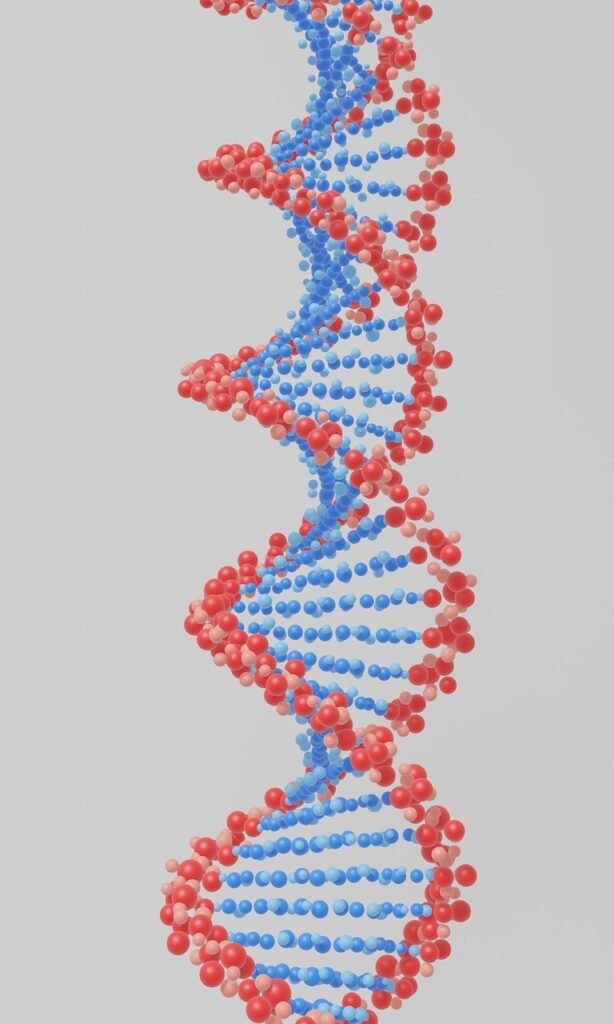
Life’s operating system runs on DNA—the genetic code that organisms read to produce proteins, regulate metabolism, and reproduce. Synthetic biologists have learned to “write” new genetic programs from scratch, creating sequences that never existed in nature. This is fundamentally different from traditional genetic engineering, which modifies existing genes.
The field builds on discoveries from genomics, systems biology, and computer science. Just as software engineers write code, synthetic biologists design genetic circuits that can detect signals, make decisions, and execute functions within living cells. The design process often involves mathematical modeling and computer simulation before any physical construction begins.
## Breakthrough Technologies Enabling Progress
CRISPR-Cas9 remains foundational, but new gene editing tools have expanded capabilities dramatically. Prime editing allows any single DNA letter to be changed to any other without double-strand breaks. Base editing modifies DNA letters directly without cutting the double helix. These precision tools enable researchers to make subtle genetic changes that would have been impossible with earlier technologies.
DNA synthesis costs have plummeted to less than a penny per base pair, enabling construction of entire genes and small genomes in days rather than months. Companies like Twist Bioscience can now synthesize custom DNA sequences up to 10 kilobases, with longer constructs possible through assembly methods.
Artificial intelligence has transformed design. AlphaFold’s success in protein structure prediction has inspired similar approaches for genetic circuit design. Machine learning models trained on millions of genetic sequences can predict how new designs will behave, dramatically accelerating the build-test-learn cycle.
## Applications Transforming Industries
The pharmaceutical industry has been first to embrace synthetic biology at scale. Ginkgo Bioworks has engineered yeast strains to produce香料 compounds and pharmaceutical intermediates, reducing production costs by 90% compared to traditional chemical synthesis. Artemisin, a malaria treatment, is now produced entirely through engineered microbes rather than plant extraction.
Sustainable materials are another major application. Bolt Threads has created synthetic spider silk with properties matching or exceeding natural silk, grown in bioreactors using engineered yeast. Modern Meadow produces leather from yeast rather than cows, eliminating the environmental impact of livestock agriculture.
Biofuels have seen renewed interest with synthetic biology approaches. LanzaTech captures carbon emissions from steel mills and converts them to fuels using engineered bacteria. The process treats industrial waste gases as feedstock, demonstrating how synthetic biology can address climate change.
## The Bioeconomy Emerges
A new bioeconomy is taking shape around synthetic biology. Traditional chemical companies are investing heavily in biological production methods. BASF, Dow, and DuPont have all established synthetic biology divisions, recognizing that engineered microbes may offer cheaper and greener alternatives to petroleum-based processes.
The concept of “precision fermentation” has moved beyond pharmaceuticals. Companies are engineering microorganisms to produce animal proteins—milk proteins, collagen, egg whites—without animals. This technology is disrupting agricultural supply chains and promises to dramatically reduce the land, water, and emissions associated with animal agriculture.
## Biosecurity and Ethical Considerations
With great power comes great responsibility. Engineered organisms designed in laboratories could theoretically have unintended consequences if released into the environment. The synthetic biology community has developed robust biosafety protocols, including genetic safeguards that prevent organisms from surviving outside controlled environments.
Gene drives—genetic elements that spread through populations faster than normal inheritance—raise particularly complex ethical questions. They could potentially eliminate disease-carrying mosquito populations, but also risk disrupting ecosystems in unpredictable ways. International frameworks for governing gene drive deployment are still developing.
Questions about intellectual property and access also demand attention. Who owns the organisms that synthetic biologists create? How should benefits be shared when engineered organisms produce valuable compounds? These questions become more urgent as the technology becomes more powerful.
## The Future: Design Frontiers
Synthetic biologists are now attempting projects of increasing ambition. The goal of creating a completely synthetic organism—life with an entirely artificial genome—is within reach. The minimal genome project aims to identify the smallest set of genes necessary for life, potentially enabling creation of streamlined organisms optimized for specific functions.
Organoid intelligence represents another frontier. Researchers are growing miniature brain structures from stem cells and connecting them to computing systems. These biological computers may eventually solve certain problems more efficiently than electronic computers.
## Conclusion
Synthetic biology has matured from a speculative science to an industrial technology. The ability to program life at the molecular level opens possibilities that seemed like science fiction just decades ago. From medicines to materials, from fuels to foods, engineered organisms are reshaping how we produce the materials of modern life.
The transformative potential comes with responsibilities. Society must develop governance frameworks that capture benefits while managing risks. With thoughtful stewardship, synthetic biology may prove one of humanity’s most powerful tools for addressing global challenges.