
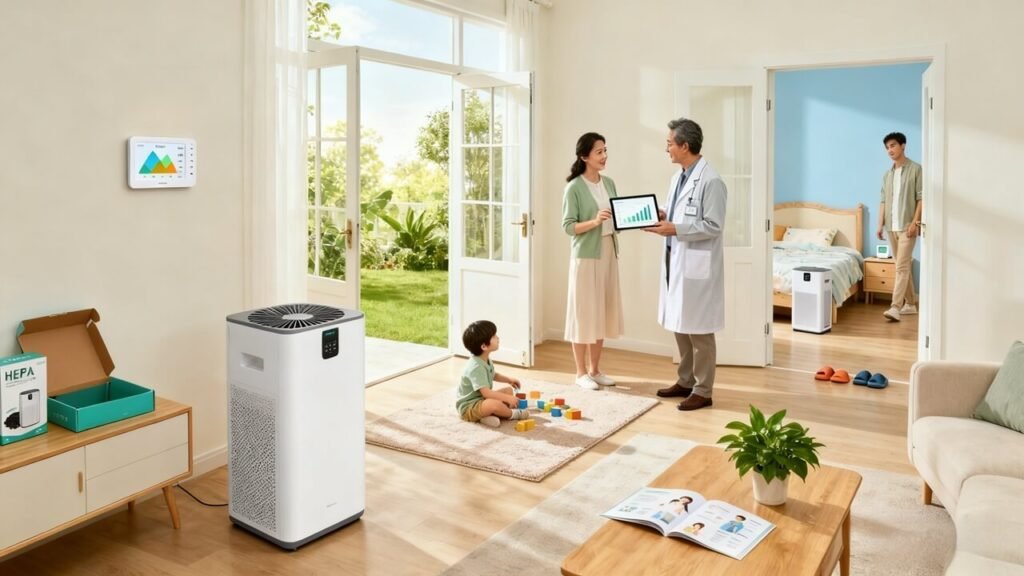
Understanding Air Purifiers: How They Work
Air purifiers are designed to improve indoor air quality by removing various pollutants and allergens. They achieve this through a variety of filtration methods, each with its own unique mechanism and advantages. The most common type of air purifier uses HEPA (High-Efficiency Particulate Air) filters, which are capable of trapping 99.97% of particles as small as 0.3 microns. This includes allergens like pollen, dust mites, and pet dander, contributing significantly to reducing allergy symptoms and respiratory issues.
Another notable filtration method is activated carbon, which excels in adsorbing odors, gases, and volatile organic compounds (VOCs) present in the air, such as those from household cleaning products and paint. This makes activated carbon filters particularly beneficial for improving overall air quality and eliminating unpleasant smells. Some air purifiers also incorporate UV light purification, which uses ultraviolet light to kill bacteria and viruses. This technology is helpful in environments where pathogen elimination is a priority, such as hospitals or sanitary facilities.
Air purifiers are designed to target a range of pollutants. Common contaminants include allergens, smoke from cooking or cigarettes, mold spores, and particulate matter that can enter the lungs and cause health complications. Medical professionals frequently recommend air purifiers for individuals with asthma or other respiratory conditions, as clean air can substantially decrease the frequency and severity of attacks. Moreover, studies have indicated that reducing indoor air pollution is linked to better overall health outcomes, making air purifiers a valuable addition to households focused on maintaining a healthy environment.
Overall, understanding the different types of air purifiers and their respective functions can aid consumers in making informed decisions tailored to their specific air quality needs. With insights from healthcare professionals pointing toward the advantages of clean air, investing in an air purification system can be a proactive step for health-conscious individuals and families.
Health Benefits of Using Air Purifiers
Air purifiers have gained attention for their potential health benefits, particularly in improving indoor air quality. According to various studies, these devices can significantly reduce the presence of indoor air pollutants, which can lead to a myriad of health issues, including respiratory problems, allergies, and worsening asthma conditions. Healthcare professionals recommend the use of air purifiers, especially in homes with vulnerable populations such as children and the elderly, who are more susceptible to the effects of polluted air.
Doctors emphasize the importance of maintaining clean air environments, noting that pollutants such as dust, pet dander, mold spores, and pollen can exacerbate allergic reactions and respiratory distress. By effectively filtering these airborne contaminants, air purifiers help create a healthier living space. For instance, a study published in the “Journal of Allergy and Clinical Immunology” found that the use of HEPA filters in air purifiers led to a significant reduction in asthma symptoms among children living in urban areas with high levels of air pollution.
Personal anecdotes from healthcare professionals further highlight the positive impact of air purifiers. A pediatrician shared her experience of recommending an air purifier to a family with a child suffering from severe allergies. Within weeks, the child reported fewer allergy symptoms and could sleep more soundly, further supporting the notion that clean air is vital for overall well-being. Similarly, a geriatric specialist noted the improvements in health outcomes for elderly patients who used air purifiers at home, particularly those with pre-existing respiratory conditions.
In summary, the integration of air purifiers into everyday life can lead to significant health benefits, according to medical professionals. Their ability to mitigate harmful indoor air pollutants makes them a valuable addition to homes, promoting better respiratory health and enhancing overall quality of life.


Limitations and Considerations of Air Purifiers
While air purifiers are often lauded for their ability to enhance indoor air quality, it is essential to acknowledge their limitations. Medical professionals caution against the misconception that these devices can resolve all indoor air pollution issues. Air purifiers are designed to reduce specific contaminants, such as allergens, dust, and certain pollutants, thereby improving overall air quality. However, they cannot eliminate all harmful substances, particularly volatile organic compounds (VOCs) or gases released from household products. Therefore, relying solely on an air purifier may lead to a false sense of security.
Additionally, proper maintenance of air purifiers is crucial for optimal performance. Filters need to be changed regularly according to the manufacturer’s instructions, and without such upkeep, the effectiveness of the unit diminishes significantly. Doctors suggest that ignoring maintenance can result in the devices becoming less efficient in trapping airborne contaminants, potentially allowing pollutants to circulate in the air.
It is also important to understand the role of ventilation in maintaining healthy indoor air. Medical experts emphasize the necessity of keeping windows open whenever possible, allowing for natural airflow that can help dissipate trapped pollutants. Ventilation not only aids in maintaining indoor air quality but also facilitates the reduction of indoor contaminants at their source, rather than merely filtering them out after they have infiltrated the environment. Over-reliance on air purifiers may inadvertently divert attention from addressing these root causes of indoor pollution.
In summary, while air purifiers can contribute to improved indoor air quality, individuals should remain aware of their limitations and consider them as part of a broader strategy for managing indoor air pollution. By combining the use of air purification with proper ventilation and reducing sources of toxins, a more comprehensive approach to enhancing indoor air quality can be achieved.
Choosing the Right Air Purifier: Doctor Recommendations
When selecting an air purifier, multiple factors should be considered to ensure it meets both your specific health needs and the requirements of your living space. Medical professionals often recommend evaluating the size of the room where the air purifier will be used, as this determines the necessary Clean Air Delivery Rate (CADR) for effective air cleaning. It is essential to choose a model designed for the square footage of your space, as smaller purifiers in larger rooms may not adequately filter airborne pollutants.
Individuals with specific health concerns, such as asthma, allergies, or respiratory issues, should look for air purifiers that effectively target particular irritants. HEPA filters, known for trapping 99.97% of particles as small as 0.3 microns, are particularly recommended for individuals suffering from allergies. In addition to HEPA filters, some purifiers also include activated carbon filters, which help eliminate odors and volatile organic compounds (VOCs).
Noise levels vary between air purifier models, and this factor can significantly impact your comfort, especially during nighttime use. Some purifiers operate quietly on lower settings, while others may produce significant noise, detracting from their usability in bedrooms or quiet spaces. When assessing noise levels, it is advisable to check for the decibel rating provided by manufacturers.
Filter replacement costs are another crucial aspect to consider. Regular maintenance is necessary for optimal performance, and some purifiers require more frequent filter changes than others. Understanding the cost and frequency of replacement filters can help avoid unexpected expenses.
Reputable brands frequently recommended by healthcare professionals include Dyson, Honeywell, and Coway, known for their reliability and effectiveness. Additionally, look for certifications such as the AHAM (Association of Home Appliance Manufacturers) Seal and Energy Star ratings to ensure your chosen model performs efficiently and safely.
Incorporating air purifiers into a broader strategy for improving indoor air quality is advisable. Regular ventilation, reduced use of chemical cleaners, and plant incorporation can work in conjunction with air purifiers to create a healthier living environment.