
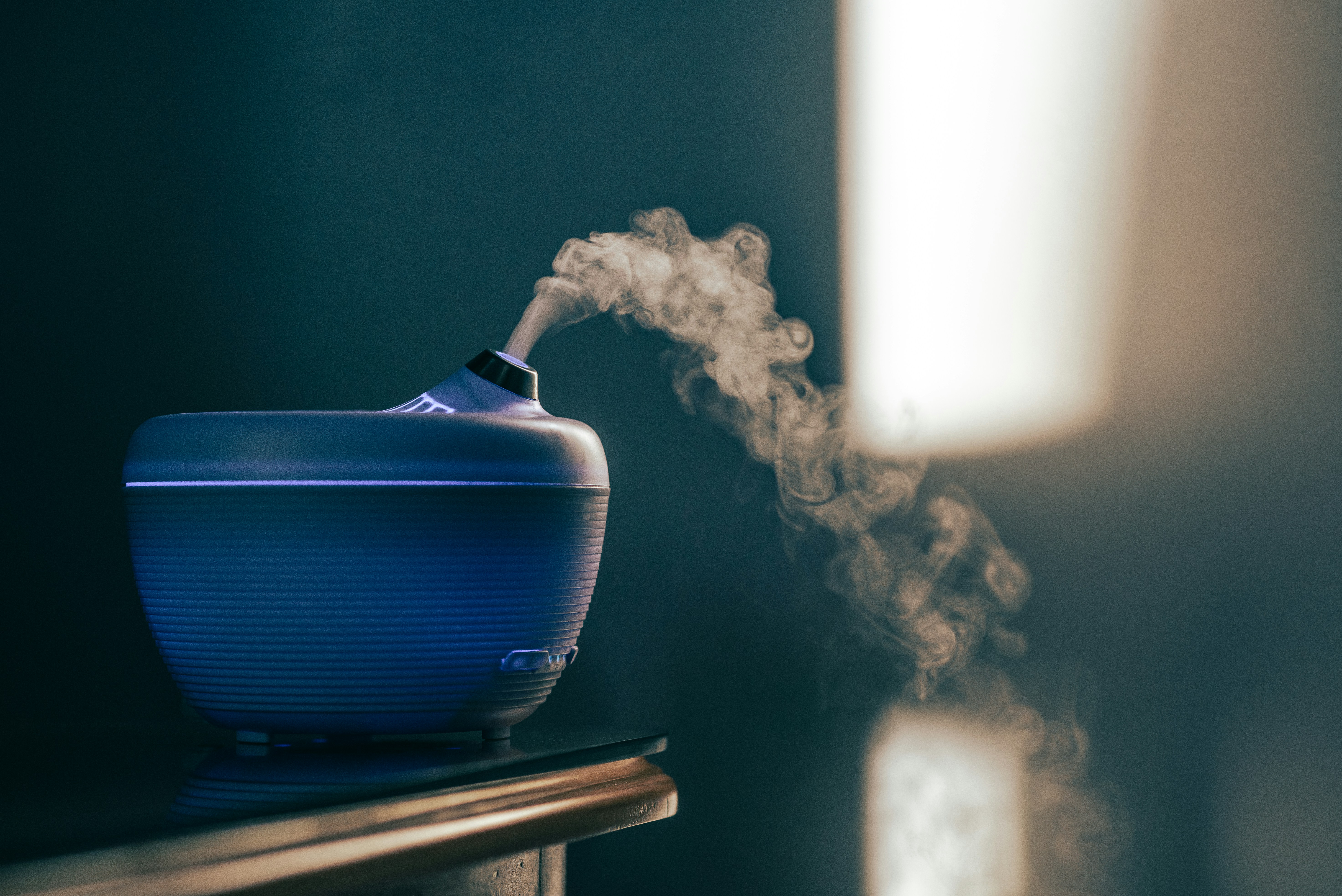
Understanding Air Purifiers
Air purifiers are devices designed to enhance indoor air quality by removing pollutants and contaminants from the air. These appliances function through various filtration systems that capture airborne particles, providing a cleaner and healthier environment. The increasing concern regarding air pollution, allergens, and respiratory issues has led to a growing interest in air purifiers, making it essential to understand how they operate and the various types available.
There are several types of air purifiers, each utilizing different technologies to filter the air effectively. The most common types include HEPA (High-Efficiency Particulate Air) filters, activated carbon filters, and ionizing purifiers. HEPA filters are particularly renowned for their efficiency in trapping particles as small as 0.3 microns, including dust, pollen, and pet dander. This type of filtration is critical for individuals with allergies or asthma, as it significantly reduces airborne irritants.
Activated carbon filters serve a different purpose by adsorbing odors, smoke, and volatile organic compounds (VOCs), rendering the air more pleasant and fresh. On the other hand, ionizing purifiers generate ions that clump together pollutants, causing them to fall to the ground or get caught in a collection plate. However, they may produce ozone as a byproduct, which can be a concern for some users.
To maximize the effectiveness of an air purifier, it is vital to understand the specific pollutants it targets. These might include allergens like dust mites, mold spores, and animal dander, as well as chemicals from cleaning products and smoke. Recognizing the capabilities of an air purifier not only aids in choosing the right device but also facilitates its placement in the home for optimal performance.


Factors Influencing Air Purifier Placement
When considering the optimal placement of an air purifier, several key factors come into play that significantly affect the device’s efficiency in purifying the air. Understanding these variables is essential for maximizing the benefits of your air purification system.
First and foremost, the size of the room is a critical consideration. Air purifiers are designed to work effectively within specific square footage limitations. If the device is too small for the room it is placed in, its ability to filter impurities may be diminished, leading to less effective air quality improvements. Conversely, a purifying system that is too powerful for a small space may cycle air unnecessarily, leading to increased energy consumption without substantial benefit.
Ceiling height also plays a role in how well an air purifier functions. Higher ceilings can cause a more significant volume of air, making it essential for the unit to have a higher Clean Air Delivery Rate (CADR) to effectively circulate and cleanse air at greater heights. If the air purifier is situated too low, it may not collect contaminants that gather at higher elevations, reducing overall effectiveness.
Another important factor is airflow patterns within the room. Understanding how air circulates can inform strategic placement for maximum effectiveness. Obstacles, such as furniture or curtains, can restrict airflow and hinder the purifier’s ability to clear pollutants. For optimum results, place the air purifier in an area where air can flow freely to and from the unit. This ensures a more thorough purification process, as the device can efficiently draw in the contaminated air and expel clean air without hindrances.
Overall, a comprehensive understanding of these factors—room size, ceiling height, and airflow patterns—is vital for effectively placing your air purifier and achieving the best possible air quality in your living or working space.
Recommended Room Locations for Air Purifiers
Air purifiers serve a crucial role in maintaining indoor air quality. The effectiveness of these devices largely depends on their placement within different areas of the home. Understanding the specific dynamics of each room can guide homeowners in optimizing the performance of their air purifiers.
In living rooms, which are often the centerpiece of activity within a home, it is advisable to place the air purifier in a location that facilitates optimal airflow. This could be near a doorway or an air vent but positioned at least a few feet away from walls or furniture. By positioning the device in a central spot, it ensures it captures airborne pollutants such as pet dander and dust, which tend to accumulate in common areas.
For bedrooms, the air purifier should be placed close to the bed, ideally on a nightstand or a small table. This positioning allows it to work effectively to remove allergens that can disrupt sleep, like dust mites and pollen. It is essential to keep the purifier about four to six inches away from the wall to prevent restricted airflow.
In kitchens, where cooking emissions can contribute significantly to indoor air pollution, the air purifier should be situated in proximity to the cooking area. Equipping it with activated carbon filters can further enhance its ability to neutralize odors and volatile organic compounds (VOCs) released during cooking. However, care should be taken to avoid placing it directly next to the stove, as excessive heat may impact its functionality.
Finally, basements often harbor mold and musty odors due to poor ventilation. Placing an air purifier in this environment can be beneficial; ideally, it should be located in an area with adequate airflow, along with the furnace or dehumidifier, to maximize the reduction of airborne contaminants.
In conclusion, the effectiveness of air purifiers can be significantly influenced by their placement in different rooms. Taking the time to consider the unique needs of each space enables homeowners to achieve maximum air quality improvement throughout their residences.
Avoiding Common Placement Mistakes
When it comes to optimizing the effectiveness of your air purifier, the placement of the unit plays a crucial role. Many homeowners frequently make common errors that can significantly reduce air purification efficiency. One of the most prevalent mistakes is positioning the air purifier in corners or behind furniture. These placements hinder airflow, preventing the device from circulating air effectively throughout the room. Air purifiers rely on unobstructed paths to draw in contaminated air and release clean air. By blocking airflow, the purifier struggles to perform its primary function, leaving pollutants circulating in the environment.
Another common error is placing the air purifier too close to walls or in tight spaces. While it may seem practical to situate the unit in a confined area, this can lead to inadequate ventilation. The device requires an ample amount of space around it to facilitate airflow. Ideally, a minimum distance of two feet from walls or other obstructions is recommended to ensure optimal performance. This allows the purifier to intake air freely from all directions, enhancing its ability to eliminate airborne particles effectively.
Additionally, overlooking the location in relation to humidity sources, such as bathrooms or kitchens, can impede the air purifier’s capabilities. High humidity levels can lead to mold growth, which air purifiers may struggle to manage if placed near these sources. In such cases, it is advisable to position the unit in areas where it can operate effectively and maintain a cleaner air quality throughout the home.
To correct these common placement mistakes, homeowners should assess their living spaces and identify locations where the air purifier can operate at peak efficiency. By avoiding corners, keeping it away from walls, and considering the environmental factors, you can ensure that your air purifier works effectively, contributing to a healthier indoor atmosphere.
Considerations for Multiple Air Purifiers
When utilizing multiple air purifiers in a single space or across multiple rooms, strategic placement is paramount to ensure optimal air circulation and purification. First and foremost, understanding the layout of your space is crucial. Consider the size of the rooms involved and the placement of furniture, as these factors can significantly influence airflow. Positioning air purifiers in open areas where air can flow freely is recommended. Avoid placing them in corners or behind large objects, which may impede their efficiency.
Another important aspect to consider is the type of air purifier being used. Different models may have varying designs and airflow patterns, which should be accounted for when determining their placement. For example, some air purifiers are designed to be more effective in capturing larger particles, while others might be better suited for smaller pollutants. It is beneficial to read the manufacturer’s guidelines to understand the ideal operating conditions for each unit.
In larger spaces, maintaining consistent air exchange is vital. Positioning air purifiers at least several feet apart not only avoids competition for circulation but also promotes comprehensive coverage throughout the area. If using multiple units in separate rooms, ensure that doors remain open to facilitate air movement between spaces. In addition, consider implementing a fan system to assist with air distribution, helping to maximize the effectiveness of each purifier.
Lastly, regular maintenance and monitoring the environment can further enhance the performance of multiple air purifiers. This includes checking filters and ensuring they are replaced as recommended. By being strategic and understanding the dynamics of airflow and pollutant distribution, you can achieve significantly improved air quality throughout your home.
Impact of Furniture and Decor on Air Purifier Performance
The arrangement of furniture and decorative elements in a room plays a pivotal role in determining the efficacy of an air purifier. When strategically placed, an air purifier can significantly improve indoor air quality; however, obstructions introduced by furniture can thwart its performance. Large pieces such as sofas, cabinets, or even floor plants can restrict airflow, leading to a decrease in the purifier’s ability to circulate clean air throughout the space.
When deciding where to position the air purifier, it is important to ensure that it is not tucked away in a corner or placed behind large furniture items. Such placements may cause the air purifier to struggle against obstructions, thereby limiting its air intake and exhaust capabilities. To achieve optimal air circulation, the air purifier should ideally be positioned at least a few feet away from large pieces of furniture and walls. This allows for unobstructed airflow, enabling the unit to take in and cleanse the air more effectively.
In addition to the distance from large furniture, it’s advisable to consider the height at which the air purifier is placed. Air tends to rise, so positioning the unit on a table or stand can enhance its performance. Furthermore, incorporating minimalistic decor can also contribute positively to air circulation. For instance, instead of heavy drapes, using lighter window treatments can allow better airflow while also reducing the build-up of dust.
By making informed decisions about furniture placement and decor, homeowners can ensure that their air purifiers function at peak performance. This will optimize indoor air quality and create a healthier living environment. Understanding the impact of these elements is crucial for achieving the desired results from an air purifier.
The Role of Airflow in Air Purifier Placement
When considering the effective placement of an air purifier, understanding airflow dynamics is crucial. Air purifiers rely heavily on the circulation of air in a room to ensure that contaminated air is continuously filtered. To maximize the performance of an air purifier, it is important to assess both the natural and mechanical airflow within your space.
Natural airflow in a room can significantly influence how well it operates. Windows play a substantial role in this dynamic; when opened, they can create cross-ventilation, which encourages air movement through a room. This can lead to a decrease in particulate matter, but it can also introduce pollutants from outside, affecting the air quality. Therefore, when placing an air purifier, consider the proximity to windows and any seasonal changes that might affect outdoor air quality.
Fans can also help promote proper airflow. Positioning the air purifier near a ceiling fan or adding a standing fan can enhance the circulation of clean air throughout a space. By utilizing the boost from these fans, air purifiers can distribute purified air more evenly, thus improving their effectiveness. Furthermore, it is advisable to avoid placing air purifiers in corners or behind furniture, as this hinders their ability to draw in air, reducing their overall efficiency.
Additionally, HVAC systems contribute to the airflow dynamics in your home. It is beneficial to position your air purifier in a location where it can work in synergy with these systems. Utilizing air purifiers in conjunction with ventilation systems can help maintain indoor air quality effectively, as these devices can filter additional particles that may not be captured by HVAC filters.
By thoughtfully assessing and utilizing the natural airflow within your home, you can enhance the performance of your air purifier, leading to cleaner and healthier air in your living environment.
Maintaining Your Air Purifier for Best Performance
Regular maintenance of your air purifier is critical to ensure that it operates at peak efficiency. The primary objective of an air purifier is to eliminate pollutants and allergens from the air, and neglecting maintenance can significantly hinder its effectiveness. One of the most crucial aspects of upkeep involves the timely replacement of filters. Most air purifiers utilize HEPA filters or activated carbon filters, each designed to capture specific particles and odors. Over time, these filters can become clogged with dust, pollen, and other contaminants, which reduces airflow and diminishes the purifier’s ability to clean the air effectively.
To maintain optimal performance, it is recommended to check the filters at least once a month. Depending on the manufacturer’s guidelines, it may be necessary to change filters every three to six months. Some models offer filter change indicators, providing a convenient reminder when it’s time to replace them. Additionally, some air purifiers come with washable pre-filters that can be cleaned and reused, contributing to extended filter life and improved efficiency.
In conjunction with filter management, the external components of an air purifier should not be overlooked. Regularly dusting and cleaning the unit itself helps prevent the accumulation of dirt that could interfere with airflow and overall operation. Furthermore, ensuring that the air intake and exhaust areas are unobstructed is essential for the device to function correctly.
Moreover, maintaining your air purifier is closely linked to its placement within your living space. Ideally, it should be positioned in a location where air can circulate freely, away from walls, furniture, or curtains. Keeping these maintenance practices in mind not only enhances the operational lifespan of your air purifier but also guarantees that the air quality in your home is consistently high, maximizing the benefits of both effective placement and diligent care.
Conclusion: Finding the Perfect Spot for Your Air Purifier
Placing your air purifier in the ideal location can significantly enhance its efficiency, ensuring that you enjoy the clean air it provides. Throughout this guide, we have highlighted essential factors to consider when determining the best spot for your air purifier. These factors range from understanding airflow patterns to accounting for room size and furniture arrangements. It is evident that strategic placement can amplify the benefits of your air purification system.
As you assess your space, take into account the proximity of the air purifier to potential pollution sources, such as walls, doors, and windows. A distance of at least a few feet from these barriers will allow your air purification device to maximize its intake of contaminated air, improving its ability to filter out allergens, dust, and other particulates. Additionally, consider placing the air purifier in central locations to ensure that air circulation is optimized throughout the room. Avoiding corners and confined spaces will further enhance its performance.
To facilitate your decision-making process, we recommend using the following checklist to evaluate potential locations for your air purifier:
- Evaluate the room size to determine the appropriate purifier model.
- Identify sources of contaminants and avoid placing the purifier too close.
- Ensure the device is at least a few feet away from walls or furniture.
- Choose central locations that allow for optimal air circulation.
- Consider the noise level and visibility of the purifier in your chosen spot.
By following these guidelines, you can take proactive steps to ensure that your air purifier operates at peak efficiency. Remember, the air quality in your home is paramount, and properly positioning your air purifier is a crucial component in maintaining a healthy environment for you and your family.