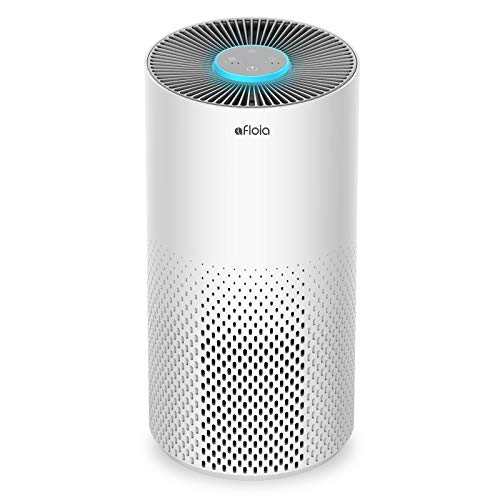
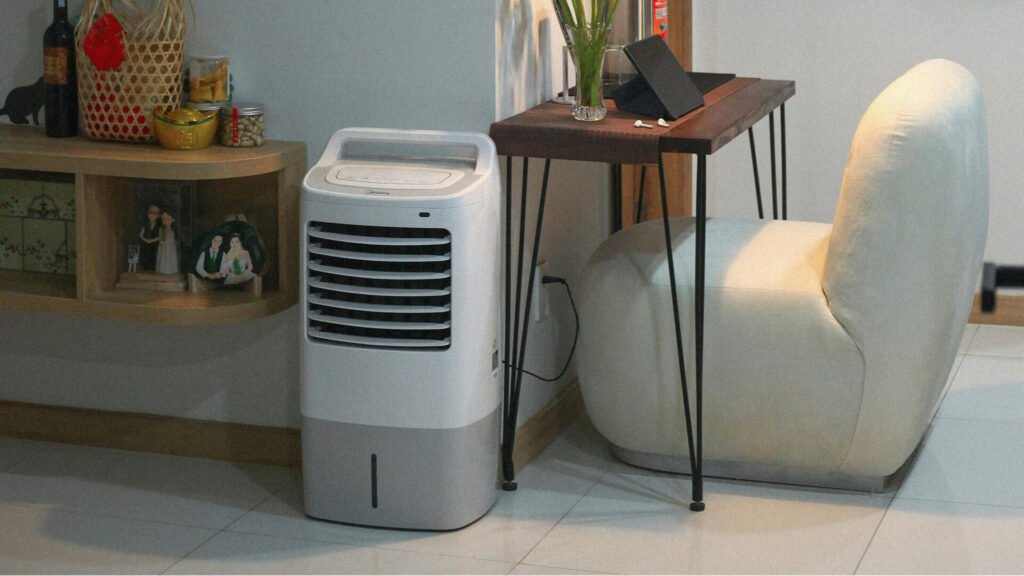
Introduction to Small House Air Purifiers
In today’s world, ensuring a healthy indoor environment is of paramount importance, particularly for those living in small homes. Small house air purifiers play a significant role in improving indoor air quality, making them essential appliances for discerning homeowners. By filtering out a variety of airborne contaminants, these devices support the creation of a cleaner, safer living space.
The primary purpose of an air purifier is to remove allergens, pollutants, and unpleasant odors from the air, thus enhancing overall well-being. Small homes, often characterized by limited space and ventilation, may accumulate dust, pet dander, mold spores, and other hazardous particles more readily than larger residences. With the increasing awareness of air quality’s impact on health, investing in a specialized air purifier becomes a prudent choice for individuals and families residing in such environments.
Moreover, many air purifiers are designed with built-in filtration systems that target specific pollutants. HEPA filters, for example, are particularly effective at capturing tiny particles that are often overlooked, such as pollen, smoke, and industrial dust. Furthermore, advanced models may include activated carbon filters, which assist in neutralizing odors from cooking, pets, or cleaning products. These features not only lead to cleaner air but can also elevate the overall livability of one’s home.
In addition to ensuring a healthier indoor atmosphere, a small house air purifier can contribute positively to comfort levels. By reducing allergy symptoms and other respiratory issues, these devices can enhance quality of life for inhabitants. As we delve deeper into the selection criteria for these essential devices, we will explore key factors including space adaptability, noise control, and energy efficiency, all of which are particularly crucial in optimizing the air purification experience in smaller living spaces.
Understanding Space Adaptability
When selecting a small house air purifier, one of the most critical factors to consider is its space adaptability. Space adaptability refers to how well an air purifier can perform in various environments, which may include different room sizes, layouts, and interior designs. The effectiveness of an air purifier can significantly depend on its capacity to meet the spatial requirements of the room it is intended to serve.
Room size is a primary consideration when choosing an air purifier. Each model comes with a recommended coverage area, typically measured in square feet. Therefore, when assessing your options, it is crucial to measure the dimensions of the rooms where you plan to use the purifier. For instance, a larger living room would require a more robust air purifier as compared to a compact bedroom. Additionally, it is advisable to consider the layout of the space. Open-concept spaces may allow for a central air purifier to effectively circulate clean air, whereas closed-off rooms might benefit from individual units designed for smaller areas.
Another aspect of space adaptability involves the design of the air purifier itself. Some models are compact and portable, allowing them to be easily moved from room to room, while others are designed to be stationary and blend seamlessly into home decor. Features such as sleek designs or aesthetically pleasing colors can enhance the overall aesthetic of a room while still providing the necessary air quality improvement. Furthermore, consider whether the air purifier can be mounted on walls or installed in existing ventilation systems, which may optimize space without sacrificing air quality.
Ultimately, assessing the adaptability of an air purifier to your unique living conditions requires a careful evaluation of room size, layout, and design preferences. By taking these factors into account, you can select an air purifier that not only fits well within your small house but also effectively contributes to a healthier indoor environment.
Key Features to Consider for Noise Control
When choosing an air purifier, one of the often-overlooked elements is the noise level it produces during operation. Noise control plays a pivotal role, especially in small living spaces where peace and quiet may be a priority for residents. Air purifiers operate using various mechanisms that can influence their sound output. Therefore, it is crucial to evaluate the specifications that contribute to quieter performance.
The design of the fan is a significant factor in determining noise levels. Many air purifiers offer multiple fan settings, allowing users to adjust the speed according to their needs. Running the device at a lower fan speed typically results in a much quieter operation, albeit with potentially reduced purification efficiency. It is advisable to look for units equipped with a ‘quiet mode’ or ‘sleep mode’ feature, as these settings are specifically engineered to minimize sound while still filtering the air effectively.
Moreover, the type of motor employed in the air purifier can also have a substantial influence on noise output. Brushless DC motors are often preferred for their quieter performance compared to their traditional counterparts. These motors not only enhance energy efficiency but also contribute to a more subdued operation, making them ideal for nighttime use or in environments where silence is essential.
To evaluate noise levels, prospective buyers should consider consulting user reviews and ratings to ascertain how specific models perform in real-world settings. Manufacturers may provide decibel ratings, which can serve as useful indicators of noise levels, though actual user experiences can provide better insight into how quiet a unit truly is during operation. Models recognized for their quiet operation can significantly improve the comfort and air quality of small living spaces.
Energy Efficiency: Why It Matters
Energy efficiency plays a crucial role in the functioning of air purifiers, particularly in small homes where energy consumption can quickly escalate. Selecting an energy-efficient air purifier not only contributes to a healthier living environment but also helps maintain manageable energy costs. Thus, understanding how to identify energy-efficient models is essential for homeowners looking to improve indoor air quality without compromising their budget.
One of the most recognized indicators of energy efficiency is the Energy Star rating. Products that carry this certification have been evaluated and deemed to meet strict energy efficiency guidelines set by the U.S. Environmental Protection Agency. When you prioritize Energy Star-rated air purifiers, you can be confident that these devices operate using less electricity compared to standard models, all while delivering optimal performance. Therefore, always look for the Energy Star label when shopping for a small house air purifier.
In addition to checking for an Energy Star rating, other features can indicate a model’s energy efficiency. For example, air purifiers equipped with variable speed settings or programmable timers allow users to adjust the device’s operation according to their specific needs. This versatility not only enhances user convenience but also ensures that the purifier does not consume more power than necessary. Furthermore, opting for an air purifier with a permanent or long-lasting filter can reduce costs associated with frequent replacements and the energy required for producing new filters.
When using an air purifier, it is advisable to follow certain operational tips to minimize energy costs. Running the device at lower settings during periods of low occupancy can preserve energy. Regular maintenance, such as cleaning or replacing filters, also ensures the purifier operates efficiently, thus reducing overall energy consumption. By considering these factors, homeowners can significantly enhance the energy efficiency of their air purifiers, ensuring a sustainable indoor air quality solution.
Filtration Types and Their Impact on Performance
When selecting a small house air purifier, understanding the various filtration types is essential for ensuring effective air purification. The three primary filtration methods commonly utilized include HEPA filters, activated carbon filters, and pre-filters, each addressing different types of pollutants and allergens.
High-Efficiency Particulate Air (HEPA) filters are renowned for their ability to capture and remove at least 99.97% of particles that are 0.3 microns in diameter. This makes them an excellent choice for households with allergy sufferers, as they are particularly effective at trapping dust mites, pollen, pet dander, and mold spores. The highly dense structure of HEPA filters allows for superior air filtration, significantly improving indoor air quality in small spaces.
Activated carbon filters, on the other hand, specialize in adsorbing gaseous pollutants and odors. They work by utilizing a network of microscopic pores to trap volatile organic compounds (VOCs), smoke particles, and unpleasant smells. For residents in urban environments or homes with pets, incorporating an air purifier with an activated carbon filter can greatly enhance the living experience by neutralizing unwanted odors and providing cleaner air.
Pre-filters are an additional component used in many air purifiers. These filters serve as the first line of defense in trapping larger particles such as hair and lint, preventing them from clogging the more expensive HEPA filters. By extending the lifespan of the primary filters, pre-filters contribute to improved overall efficiency and reduce maintenance costs.
In conclusion, selecting the appropriate filtration type for a small house air purifier is paramount. Understanding the roles of HEPA, activated carbon, and pre-filters allows residents to choose a model that effectively meets their specific needs. Optimizing air quality through these filtration methods can significantly enhance the comfort and health of small house occupants.
Maintenance and Upkeep of Air Purifiers
To ensure the longevity and optimal performance of small house air purifiers, regular maintenance and upkeep are essential. Understanding the necessary maintenance tasks can help users maintain healthier indoor air quality. One critical aspect of air purifier maintenance is filter replacement. Most models utilize HEPA filters or activated carbon filters, which capture airborne particles and odors. Depending on the frequency of use and the air quality in your home, filters may need replacement every three to six months. Some air purifiers come equipped with filter change indicators, alerting users when it is time for replacement, thus preventing decreased efficiency.
Regular cleaning of air purifiers is also crucial. Dust and debris can accumulate on the exterior and the intake vents of the unit, potentially clogging systems and reducing their effectiveness. It is recommended to wipe down the exterior of the purifier with a soft, damp cloth. Additionally, removable parts and surfaces should be cleaned according to the manufacturer’s instructions, using non-abrasive cleaners to avoid damaging delicate components.
Another maintenance task involves examining the internal components of the air purifier. Some models feature pre-filters that can be washed and reused, contributing to sustainability and cost savings. Over time, the overall performance of air purifiers can be affected by dust and dirt build-up in the units. Therefore, carrying out regular checks and cleaning can enhance their lifespan and efficiency.
Typically, the expected lifespan of a small house air purifier ranges from five to ten years, contingent on the model and how well it is maintained. By adhering to a consistent maintenance routine, users can ensure that their air purifiers continue to function effectively, providing clean air for their living spaces. Investing time in maintenance will not only improve air quality but also prolong the life of this essential appliance.
Best Brands and Models for Small Spaces
When it comes to selecting an air purifier suitable for small houses, several brands and models stand out due to their effectiveness, compact designs, and positive user feedback. These purifiers integrate features that enhance air quality while being mindful of space, noise levels, and energy efficiency.
One of the top recommendations is the **Coway AP-1512HH Mighty Air Purifier**. This model is highly rated for its compact size and four-stage filtration system, which efficiently removes odors, dust, and allergens. Users appreciate its sleek design, making it easy to fit into any room without occupying excessive space. Priced around $230, it offers great value, particularly given its comprehensive coverage of up to 361 square feet.
Another excellent choice is the **Levoit LV-H132 Air Purifier**. Priced at approximately $100, this model is frequently highlighted for its affordability and ease of use. It features a three-stage filtration system that effectively captures particles as small as 0.3 microns. The LV-H132 ‘s compact size is particularly appealing for smaller living areas, receiving high marks from users for its quiet operation.
The **Dyson Pure Cool Me** is also worth considering, especially for those willing to invest in a premium option. Retailing at around $400, it combines an air purifier and a cooling fan, which is a unique dual function suitable for close quarters. Users commend its stylish and modern design along with its advanced HEPA filtration system, which captures allergens while ensuring a silky-smooth airflow.
Finally, the **Honeywell HPA100** desktop air purifier occupies a prominent place in the market due to its effective purification capabilities and user-friendly features. Priced at around $150, it boasts a HEPA filter that captures 99.97% of indoor pollutants, making it a smart choice for small spaces. Users report significant improvements in air quality, indicating its reliability for everyday use.
These suggested brands and models provide a diverse range of functions and price points, ensuring a suitable air purifier for every small household need.
User Experiences and Reviews
When choosing a small house air purifier, users often turn to personal experiences and reviews to inform their decisions. Numerous consumers have shared testimonials about various models, highlighting their effectiveness in improving indoor air quality. Many owners of compact living spaces report significant reductions in allergens, dust, and odors after using a purifier, praising their immediate impact on providing a fresher atmosphere.
Several users commend air purifiers for their compact designs, which facilitate easy placement in limited spaces without obstructing walkways or views. In particular, models like the Coway AP-1512HH and the Levoit Core 300 have garnered favorable attention for their space-saving attributes and stylish aesthetics, making them well-suited for small homes. Users often mention how these devices blend seamlessly into their decor, combining functionality with visual appeal.
However, not all feedback is positive. Some reviewers have reported challenges with noise levels. While many air purifiers operate quietly, certain models can produce a noticeable hum, particularly on higher settings, which may impact relaxation or sleep. Users recommend opting for models with a good balance of noise control features, especially when placed in bedrooms or study areas. Furthermore, maintenance aspects, such as filter replacement frequency and cost, have also been points of contention. While some models boast long-lasting filters, others require more frequent changes, prompting users to weigh long-term expenses against initial investments.
Overall, firsthand experiences and reviews provide invaluable insights for those seeking the ideal air purifier for small homes. By examining the positives and negatives shared by real users, potential buyers can make informed choices that align with their needs, leading to satisfactory outcomes in air quality management within compact living environments.
Conclusion: Making an Informed Decision
In the quest for the ideal small house air purifier, several critical factors must be taken into account to ensure that the chosen unit meets one’s specific needs effectively. This guide has outlined the importance of space adaptability, noise control, and energy efficiency as three foundational pillars in making an informed decision regarding air purifiers. Each of these elements plays a significant role in optimizing indoor air quality, which is vital for maintaining a healthy living environment.
Space adaptability is essential because every home is unique, and an effective air purifier must fit seamlessly within its designated space. By considering the size of the purifier in relation to the room dimensions, individuals can ensure that they are optimizing airflow and purification coverage. Additionally, the placement of the purifier should align with the overall layout of the space to maximize its efficiency.
Noise control is another critical consideration, as many users prefer air purifiers that operate quietly, particularly those who will use them in bedrooms or workspaces. Therefore, examining the decibel levels of different units can guide consumers towards a model that fosters a calm environment while still effectively removing airborne pollutants.
Lastly, energy efficiency cannot be overstated. Selecting an air purifier that minimizes energy consumption while delivering maximum performance is not only beneficial for the environment but also leads to cost savings on utility bills. Recognizing the Energy Star rating or other efficiency certifications can help buyers identify energy-conscious options.
Ultimately, assessing one’s specific needs and prioritizing these features can lead to a more satisfying and practical purchase. By focusing on space adaptability, noise levels, and energy efficiency, individuals can choose an air purifier that significantly enhances their indoor air quality and overall well-being.